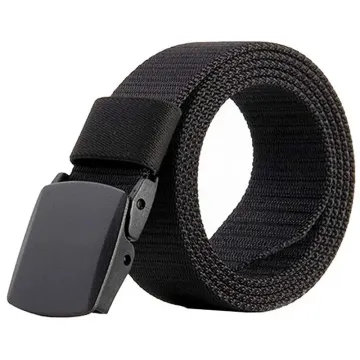
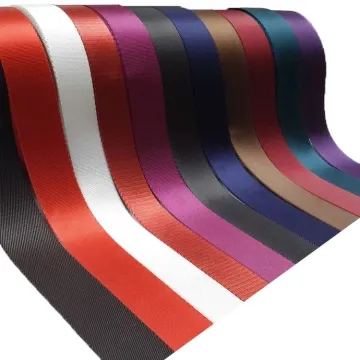
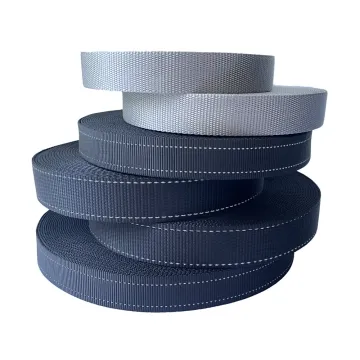
Webbing for Yoga Mat Carry Straps
A yoga mat carrier may use fixed twin loops, sliding loops or a buckle-adjusted strap. Each construction needs different length, friction and edge comfort to hold a rolled mat.
Content updated
In this guide
Key choices for your project
Choose the loop architecture before specifying the tape. Wrap the smallest and largest intended rolled mats, walk with the loaded carrier and adjust it repeatedly. Approve shoulder feel, loop grip and release without assuming the strap is also suitable for exercise loading.
- Fit both target roll diameters and check whether the loops tighten evenly without crushing the mat.
- Carry the mat in the intended position and inspect edge pressure and strap twist on the shoulder.
- Cycle every sliding loop or buckle and watch for gradual loosening on the actual mat surface.
Fixed and sliding loops need different dimensions
A fixed two-loop carrier depends on accurate loop circumference; a sliding loop uses tape-to-mat friction to tighten; a buckle version adds hardware clearance. Mat thickness, surface texture and how tightly it is rolled change the required range. Use real mats rather than a smooth cylinder, and include seam take-up when calculating cut length.
One carrier fits the display sample but loosens on the real mat range
Imagine a sliding-loop carrier approved around one tightly rolled, smooth mat. A thicker textured mat grips too early and leaves little shoulder length, while a loosely rolled thin mat settles during walking and the loops creep open. The webbing width alone did not control fit.
Record the smallest and largest rolled circumference, surface texture and normal rolling variation. Build each boundary assembly with the intended loop routing and seam take-up, then walk, adjust and release it. Separate any exercise-strap claim into its own requirement and validation plan.
Approve the complete loop assembly across real mat boundaries; do not infer fit or exercise suitability from one comfortable carry sample.
Products to start with
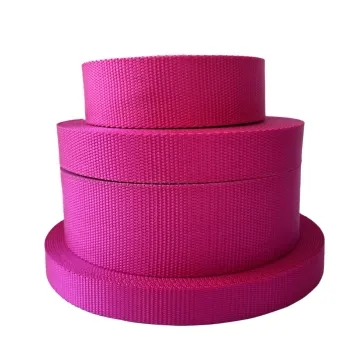
Open a product to see its listed specification. Custom colours, dimensions and order terms are confirmed for your project.
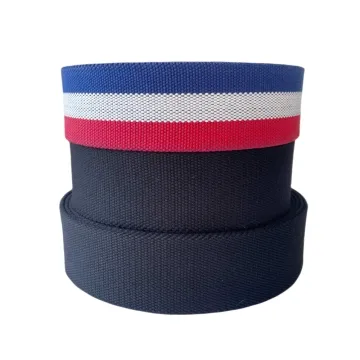
More product photos
Carry comfort does not prove exercise suitability
Wider, softer-edged tape can spread shoulder pressure, while surface texture helps loops resist slipping. If the carrier is also marketed as a stretching strap, the brand must define elongation, strength, seam and complete-product tests for that second use. A comfortable carry sample alone cannot support a training-safety claim.
Define the carrier around its mat and loop architecture
Give the supplier what is needed for a representative assembly.
Swipe to see all columns ↔
| Field | What to record | How to confirm |
|---|---|---|
| Mat range | Smallest and largest rolled circumference, thickness and surface | Measure representative rolled mats |
| Loop architecture | Fixed, sliding or buckle-adjusted; routing and overlap | Mark on an assembly drawing |
| Carry geometry | Shoulder length, position and adjustment range | Fit boundary assemblies on intended users |
| Webbing contact | Mat face, exposed edge, twist and desired grip | Observe while walking and adjusting |
| Cut and joint | Cut length, seam take-up, fold direction and stitch zone | Open an approved assembly and compare |
| Declared use | Carry only or separately specified exercise function | Match packaging claims to the validation plan |
Dimensions and acceptance belong to the mats and construction. Exercise use needs separate finished-product requirements; carrying does not establish training safety.
Download specification worksheet ↓Develop the strap from boundary mats
Characterise the mat range
Roll representative mats as users normally would. Record circumference, surface, compression and variation instead of replacing them with one rigid cylinder.
Calculate each tape path
Trace fixed loops, sliding returns or buckle routes. Add folds and seam consumption, then label which webbing face contacts the mat.
Build boundary assemblies
Make identified carriers for the smallest and largest cases with production-intent joints. Check usable shoulder length before trimming the candidate specification.
Cycle carrying and release
Walk, adjust, set down and remove each mat repeatedly. Record loop creep, crushing, twist, edge pressure and release effort for disposition.
Three shortcuts that hide carrier problems
Sizing from diameter alone
Rolling tension and surface texture change how a loop seats. Use representative boundary mats and record circumference after the normal rolling method.
Ignoring length consumed in joints
Folds, overlaps and stitching reduce usable loop and shoulder length. Calculate the routed assembly, then verify an opened or dimensioned sample.
Treating the carrier as training equipment
Comfortable transport does not establish resistance-exercise performance. Separate the claim and define finished-product strength, elongation, joint and misuse validation for that use.
Questions before you choose
Which loop style is best for different mat sizes?
Sliding or adjustable loops cover more diameters, but their holding depends on friction and routing. Fixed loops are simpler but need the rolled circumference controlled. Trial the actual mat range before deciding.
What should I send for a yoga mat strap sample?
Provide the smallest and largest rolled diameters, mat surface, preferred carry position, loop diagram, target strap length and any buckle. State clearly whether the product is only a carrier or also an exercise accessory.
Tell us what you are making
You can enquire before every detail is settled. Tell us the intended use and what you need help choosing; add dimensions or quantities if you know them.
What happens after your enquiry
We review the intended use and open specification questions first. Sample options, costs, minimum quantities and timing can then be discussed against that brief. Sending an enquiry does not place an order.
Request a relevant sample →