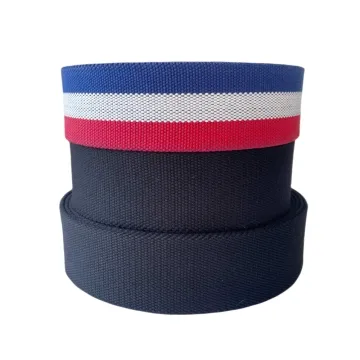
Webbing for Curtain Tiebacks
A webbing curtain tieback is a visible furnishing component, not simply a cut strap. Its stiffness, reverse face, hardware folds and colour under indoor light determine the finished result.
Content updated
In this guide
Key choices for your project
Approve the tieback around the actual curtain and with the intended wall hook, ring or magnetic closure. View both faces from normal room positions, then set the finished arc and fold locations. Judge colour beside the curtain in daytime and artificial light.
- Wrap the real curtain and compare a structured arc with a naturally hanging option.
- Turn and open the tieback to identify every visible face, edge and folded end.
- Fit production hardware and check closure position, wall clearance and fabric pressure.
Choose drape before choosing decoration
A firm woven band makes a defined architectural curve, while a softer construction follows heavy folds more naturally. Neither is universally better. The curtain weight and gathering volume decide how much body is useful. Test the tieback at the installed height; a short tabletop loop does not show how gravity changes the shape or exposes the reverse side.
The reverse face appears only after the curtain is gathered
Imagine a tieback that forms a clean arc on a flat table. Around the installed curtain, the larger gather twists one edge forward, exposes the reverse and moves the magnetic closure toward the wall. The selected colour also changes beside the curtain under evening light. Decoration was approved before drape and closure geometry.
Wrap the actual curtain at installed height and mark the intended arc, visible faces and closure centre. Build the full-length tieback with production hardware and end folds, then view it open and closed from normal room positions in daylight and artificial light.
Approve drape, both visible faces, closure position and room-light colour on a full-size installed sample.
Products to start with
Open a product to see its listed specification. Custom colours, dimensions and order terms are confirmed for your project.
More product photos
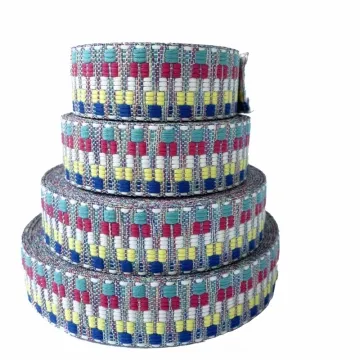
Hardware and colour need a room sample
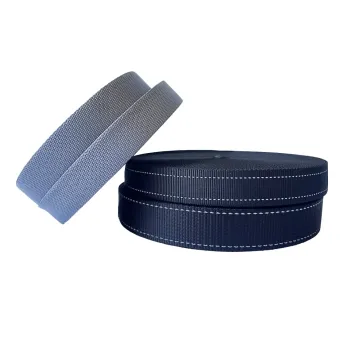
Magnets, rings and wall hooks consume different fold lengths and may turn the reverse face outward. Mark closure centre, insertion and stitch lines on the pattern. Compare colour against the curtain, wall and hardware under the actual light sources. A close numerical or screen colour can still look mismatched when texture reflects light differently.
Describe the furnishing, not a cut strip
The request should connect curtain volume, tieback body and closure geometry.
Swipe to see all columns ↔
| Field | What to record | How to confirm |
|---|---|---|
| Curtain condition | Fabric, lining, gathered volume and installed height | Wrap the actual curtain or matched full-scale mock-up |
| Finished shape | Tieback length, width, target arc and wall clearance | Photograph open and closed from room viewpoints |
| Tape construction | Body, edge, front, reverse, stiffness and decoration | Compare both faces while wrapped |
| Closure hardware | Hook, ring or magnet, centre, insertion and orientation | Fit production-intent parts to the full-length sample |
| End construction | Fold length, layer count, seam and hidden allowance | Mark folds on a dimensioned pattern |
| Colour environment | Curtain, wall, hardware, daylight and artificial sources | Review together in the intended room |
Drape and colour acceptance are buyer-defined for the installed furnishing and chosen light sources.
Download specification worksheet ↓Move approval from table to installed curtain
Set the gathered volume
Install or mock the curtain at full scale, gather it as intended and mark tieback height, circumference and desired arc.
Place closure and folds
Wrap a full-length blank, locate hardware centre and wall clearance, then mark every fold, visible face and consumed end allowance.
Build and operate the sample
Fit production-intent tape, ends and hardware. Open and close repeatedly while observing drape, reverse exposure, fabric pressure and hardware rotation.
Review in room lighting
Compare tieback with curtain, wall and hardware from normal positions under daylight and artificial sources before retaining the approved installed reference.
Display shortcuts that hide the final appearance
Judging a short tabletop loop
A small flat loop cannot reproduce curtain volume, gravity or installed height. Use a full-length wrap on the actual gather.
Choosing decoration before drape
Firmness and closure geometry decide which face remains visible and where motifs bend. Establish the finished arc before placing decoration.
Approving colour on screen
Texture, curtain fabric, wall and light source alter colour appearance. Compare physical materials together carefully in the intended room conditions.
Questions before you choose
Does a curtain tieback need identical front and back faces?
Only if both remain visible in the chosen closure. Make a full-size wrap and observe it open and closed. If the reverse appears, specify a suitable double-faced structure or control the folding direction.
What should I send for a custom tieback webbing sample?
Send curtain fabric, installed gathering size, finished tieback dimensions, wall hook or magnetic hardware, colour reference and photos of the room lighting. State whether a crisp arc or relaxed drape is preferred.
Tell us what you are making
You can enquire before every detail is settled. Tell us the intended use and what you need help choosing; add dimensions or quantities if you know them.
What happens after your enquiry
We review the intended use and open specification questions first. Sample options, costs, minimum quantities and timing can then be discussed against that brief. Sending an enquiry does not place an order.
Request a relevant sample →