How should a webbing supplier capability audit be run?
An equipment list shows what might be possible, not what is routinely controlled. A useful audit follows one target product from incoming material through weaving, finishing, inspection and shipment records.
Content updated
In this guide
Key choices for your project
Start with the webbing you intend to buy and map every process that creates its critical features. At the site, connect each claimed capability to a current work order, approved sample, operator instruction, inspection record and traceable lot. For outsourced dyeing, printing or testing, examine approval and handoff controls instead of treating external work as a missing capability.
- Map critical product features to actual process steps
- Sample live records and physical material together
- Trace outsourced operations and return evidence
Demonstrations can hide exception handling
Imagine an orderly supplier tour. The auditor chooses a recent lot held after outsourced finishing. Inspections exist, but nobody connects its return, correction and release authority. The gap concerns a working control chain rather than machine count.
Follow that lot through the exception. Compare instructions at the work point, physical segregation, subcontractor handoffs and closure evidence. Classify capability as observed, supported by records or still unverified.
Challenge a relevant process with an actual record trail, including what happens when output does not meet the requirement.
Look for process control, not machine count
A row of looms does not prove control of width, density, edge, repeat or changeover. Select a recent order similar to the target and ask how settings were released, first output approved, defects handled and lot identity maintained. Compare the instruction at the machine with the controlled specification. Observe what happens when yarn, colour or operator changes—not only a prepared demonstration.
- Order-to-machine specification match
- First-output and changeover approval
- Defect segregation and lot identity
Verify the interfaces around weaving
Review incoming yarn identification, colour standards, retained samples, measuring equipment, calibration status appropriate to the check, final inspection and packing. For printing, coating, cutting or laboratory work, confirm who owns the specification and how samples and results return to the order. Record capability as observed, externally controlled or not verified; do not turn one visit into an unrestricted claim.
- Incoming material and colour control
- Inspection equipment and method
- Subcontractor scope and result linkage
Link each capability claim to evidence
Use a claim-to-evidence sheet with scope and unresolved actions.
Swipe to see all columns ↔
| Field | What to record | How to confirm |
|---|---|---|
| Claim and scope | Target feature, construction and responsible process | Locate where the feature is created and checked |
| Audit sample | Recent order, lot and reviewer-selected records | Match documents to physical material |
| Working instruction | Controlled version and operator’s point-of-use copy | Compare instruction with the released specification |
| External handoff | Approved source, issued requirements, material identity and return | Trace one transfer in both directions |
| Exception case | Detection, segregation, decision, correction and recheck | Follow a held lot through its recorded outcome |
| Closure proof | Finding, owner, due point, evidence and verified scope | Revisit the action before marking it closed |
Record what was observed and what remains unverified. One visit does not establish capability for every construction or certify the supplier.
Download specification worksheet ↓Audit the control chain through a real example
Select a relevant record trail
Choose a recent construction resembling the proposed order, including its critical feature. Select the lot and records rather than relying only on prepared display samples.
Compare instruction with live work
At the relevant operation, compare the controlled requirement, operator instruction and physical output. Record mismatches and distinguish observed practice from explanations that still need evidence.
Follow an exception and its handoffs
Trace held or corrected material through segregation, external processing, return inspection and release authority. Check whether identity and decision evidence survive every transfer.
Close findings within their scope
Assign an owner and evidence requirement to each gap. Verify the corrective result before closure and state which product, process and period the conclusion covers.
Audit shortcuts that overstate capability
Accepting a demonstration without a record link
A display shows an output but not its repeatable controls. Connect a reviewer-selected order to instructions, physical material, inspection and release decisions.
Treating outsourcing as either automatic failure or proof
An external specialist may be controlled or poorly connected. Examine issued requirements, identity, result review and exception handling instead of judging location alone.
Closing a finding on a promised action
A new procedure or purchase promise does not show use. Request evidence from a relevant later run and verify the defined gap before marking closure.
Questions before you choose
Does owning a test machine prove testing capability?
No. Check the relevant method, trained operator, specimen preparation, equipment status, raw data, reporting and action on failures. A machine may support internal screening without producing the independent report a buyer needs.
Should every secondary process be in-house?
Not necessarily. A controlled specialist can be appropriate when the supplier defines requirements, approves the source, preserves lot identity and reviews results. The audit should make ownership and traceability visible rather than favour location alone.
Products to start with
Open a product to see its listed specification. Custom colours, dimensions and order terms are confirmed for your project.
More product photos

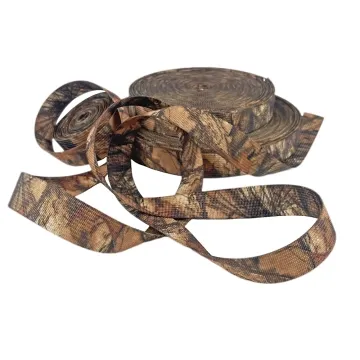
Tell us what you are making
You can enquire before every detail is settled. Tell us the intended use and what you need help choosing; add dimensions or quantities if you know them.
What happens after your enquiry
We review the intended use and open specification questions first. Sample options, costs, minimum quantities and timing can then be discussed against that brief. Sending an enquiry does not place an order.
Request a relevant sample →