What should a custom webbing RFQ include?
A useful RFQ separates fixed requirements, buyer preferences and points where the supplier may recommend an option. This prevents an assumption from quietly becoming part of the quotation.
Content updated
In this guide
Key choices for your project
Begin with the finished product, load path and failure that matters, then give measurable tape and artwork requirements. Mark each field as fixed, preferred or open to proposal. For example, “25 mm exact to fit this buckle” is a fixed interface; “polyester preferred, equivalent options welcome” invites a priced alternative without changing the hardware constraint.
- State end use and critical failure risks
- Attach dimensions, hardware and artwork references
- Separate fixed, preferred and supplier-proposed fields
Complete quotations can describe different webbing
Imagine an RFQ with a product photo, quantity and delivery window. One supplier assumes a familiar fibre and standard packing; another prices different weave, testing and cut lengths. Both appear complete, yet remain incomparable because fixed interfaces, preferences and open fields were never separated.
Begin with the finished product, critical contact or failure and every fixed hardware interface. Mark each field fixed, preferred or open. Attach dimensions, artwork, physical references and approval route. Ask suppliers to return assumptions and priced alternatives by section, then normalize quote lines to one revision.
A useful RFQ makes technical and commercial assumptions visible before suppliers price different products under the same name.
Describe what will be made and how it will be approved
Include fibre or performance direction, width, thickness or weight, weave, hand, colour, logo method, repeat and face/reverse expectations. Name the physical sample, colour reference, test method and report needed for approval. If the supplier must suggest a construction, provide the mating buckle, seam drawing and intended environment so the proposal can be evaluated in the full assembly.
- Measurable tape construction
- Colour and artwork control files
- Sample and test approval route
Make the commercial lines quotable
List quantity by width, colour, artwork and pack rather than one project total. Add required roll or cut length, splice rule, labels, cartons and destination. State the requested delivery basis, target window and whether it is a prototype, pilot or bulk order. Ask the quote to separate setup, samples, tests, unit cost, packing and freight so alternatives remain comparable.
- Variant-level quantity matrix
- Packing and destination
- Separate one-time and recurring quote lines
Give every quote a complete, classed scope
Separate fixed requirements, preferences and proposal fields while covering technical approval and variant-level commercial details.
Swipe to see all columns ↔
| Field | What to record | How to confirm |
|---|---|---|
| End use | Finished product, contact, environment, critical failure and claim boundary | Review the complete assembly |
| Tape requirements | Fibre or performance direction, width, thickness or weight, weave, hand and tolerances | Mark fixed, preferred or open |
| Interfaces | Hardware models and openings, seam, fold, cut and mating materials | Attach drawings or physical references |
| Colour and artwork | Standards, file revision, method, repeat, face, reverse and cutting zones | Provide controlled reference files |
| Approval route | Sample stages, assembly trial, test method, report, acceptance and retained master | Name evidence required before bulk |
| Commercial matrix | Quantity by variant, packing, destination, delivery basis and separate charge lines | Request a line-by-line response |
If a construction remains open, ask for clearly identified options evaluated in the same finished assembly.
Download specification worksheet ↓Turn the RFQ into comparable supplier responses
Class every requirement
Label each technical and commercial field fixed, preferred or open to proposal so advice does not silently change an interface.
Attach controlled evidence
Include dimensioned drawings, hardware identities, artwork revisions, physical references and approval methods for every item with consistent names and version marks.
Request questions and options
Ask suppliers to return assumptions by numbered section for review and price proposed alternatives separately with their technical differences stated.
Normalize the responses
Align construction, variant quantities, approval, packing, delivery and charge lines to one revision before comparing cost or timing.
RFQ shortcuts that create hidden assumptions
Using a product photo as the specification
A photo cannot define fibre, thickness, reverse, tolerances or hidden interfaces. Add measurable requirements and identify fields open to recommendation.
Combining all variants into one quantity
A project total hides colour, artwork, width and packing allocations. Give a line-level matrix so each changeover is visible.
Naming a test without approval details
A test label alone may omit method edition, sample condition, report and acceptance. State the required evidence and responsible decision point.
Questions before you choose
What if the buyer does not know the fibre or weave?
Describe the application, feel, hardware, environment and failure risks, then label material and weave as open to proposal. Request two clearly identified options and test them in the same finished assembly.
Should an RFQ include a target price?
It can include a realistic commercial target or current benchmark, but never replace the technical scope. Ask suppliers to explain which specification or quantity change would close a gap rather than silently quoting a different product.
Products to start with
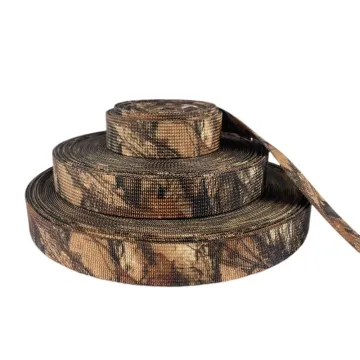
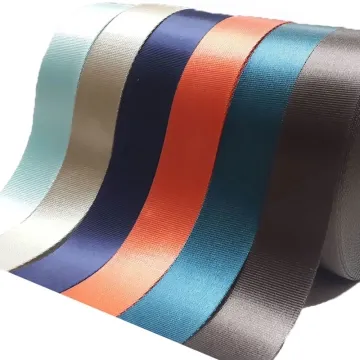
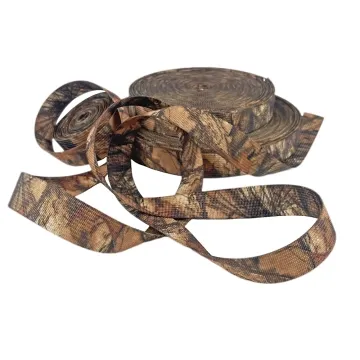
Open a product to see its listed specification. Custom colours, dimensions and order terms are confirmed for your project.
More product photos
Tell us what you are making
You can enquire before every detail is settled. Tell us the intended use and what you need help choosing; add dimensions or quantities if you know them.
What happens after your enquiry
We review the intended use and open specification questions first. Sample options, costs, minimum quantities and timing can then be discussed against that brief. Sending an enquiry does not place an order.
Request a relevant sample →