Webbing incoming inspection checklist
Incoming inspection should reference the approved sample and purchase specification. Separate visible defects, dimensional checks and required test records so each batch has a traceable decision.
Content updated
In this guide
Key choices for your project
Use the approved specification and retained sample together. Record lot identity before opening rolls, then check dimensions, colour, surface and packaging against agreed criteria. Photograph a defect with scale and location; an isolated close-up is harder to trace or discuss.
- Lot ID and sample reference
- Measured versus visual checks
- Defect photo with scale and location
A top-roll check leaves one lot unknown
Consider a shipment with cartons from two declared production lots. The first accessible rolls match approved colour and width, but a later carton has a different lot label and one crushed edge. A shipment-level pass would release material never represented in the sample.
Define inspection lots before opening stock. Spread traceable samples across lots, cartons, rolls and relevant positions, then separate identity, dimension, appearance and record checks. If one result fails, contain the affected scope while an authorised owner decides expansion, reinspection or disposition.
Release only the traceable lot scope represented by documented samples and authorised disposition.
Rank checks by the failure they prevent
Link each incoming check to a downstream risk such as buckle jamming, seam failure, colour mismatch or cutting loss. Use that risk to decide which characteristics need broader coverage and which can be verified from records. A long checklist is weak when every line has equal priority.
- Failure risk beside each characteristic
- Inspection coverage matched to priority
Create a clear hold-and-release path
Label the received lot before inspection and isolate material with an unresolved result. Record sample locations, finding photographs and the authorised disposition against that lot. Rework, concession and rejection need separate decisions so questioned rolls do not return to stock through an informal message.
- Lot identity and sample locations
- Authorised disposition for held material
Create a sampling and decision record
Each check needs a lot, sample location, method, reference and owner.
Swipe to see all columns ↔
| Field | Record | Confirm |
|---|---|---|
| Inspection lot | Production lot, colour, construction, delivery and grouping | Compare labels with receiving records |
| Sample map | Selected cartons, rolls and within-roll positions | Record identifiers before testing |
| Characteristic | Identity, dimension, appearance, packing or required report | Link each to its controlled risk |
| Method and reference | Tool, conditioning, point, specification and master sample | Verify calibration and revision |
| Finding and scope | Value or defect, location, photograph and affected material | Trace the finding to stock |
| Decision control | Hold, release, rework, concession, rejection and approver | Check disposition before stock movement |
Coverage and acceptance rules are buyer-defined. A checklist does not guarantee uninspected material.
Download specification worksheet ↓Inspect without losing lot containment
Receive and hold by identity
Record shipment, carton, roll and supplier lot information before use. Separate unverified or mismatched labels and keep material unavailable to production during review.
Build a risk-based sample map
Rank characteristics by downstream consequence, then distribute samples across each inspection lot and relevant positions. Record why any area receives broader or reduced coverage.
Perform and preserve raw findings
Use the stated method and current references. Record actual measurements, defect locations and photographs with scale rather than entering only pass or fail.
Contain and close the decision
When a finding occurs, identify the potentially affected stock, expand checks if authorised and record release, rework, concession or rejection before moving material.
Three checklist habits that create false confidence
Inspect only the easiest roll to reach
The top roll may not represent another carton, production lot or later roll position. Spread selections deliberately and retain every location identifier.
Record only a tick mark
A pass/fail box hides the value, method and defect location needed for review. Preserve raw measurements and traceable photographs for critical findings.
Let held rolls return through an informal message
Without physical and system status, questioned material can re-enter stock. Require an authorised disposition tied to the same lot and hold record.
Questions before you choose
What belongs on an incoming inspection checklist for webbing?
Start from the purchase specification and approved reference. Check identity, material or construction code, colour, width, thickness where relevant, roll length, visible defects, ends, joins, labels and packing. Add only performance tests tied to the product’s actual risk.
How should webbing be sampled across a bulk shipment?
Use the buyer’s documented sampling plan rather than inspecting only the top roll. Spread selections across cartons, rolls and, where relevant, locations within a roll. Record lot and roll identity for each result so any defect can be traced and contained.
Products to start with
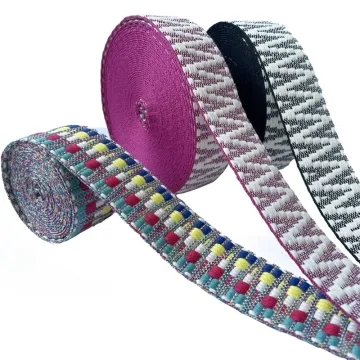
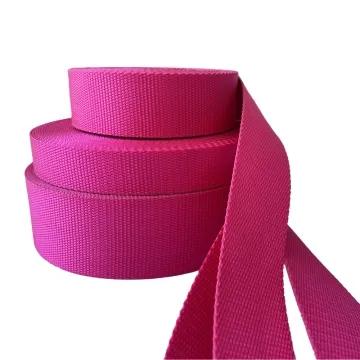
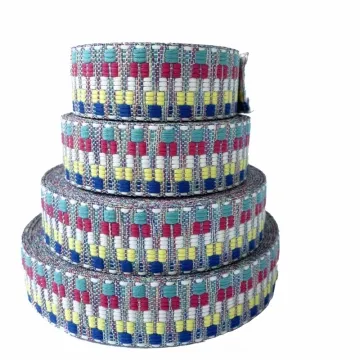
Open a product to see its listed specification. Custom colours, dimensions and order terms are confirmed for your project.
More product photos
Tell us what you are making
You can enquire before every detail is settled. Tell us the intended use and what you need help choosing; add dimensions or quantities if you know them.
What happens after your enquiry
We review the intended use and open specification questions first. Sample options, costs, minimum quantities and timing can then be discussed against that brief. Sending an enquiry does not place an order.
Request a relevant sample →