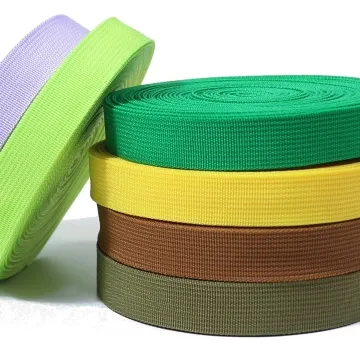
Approve webbing before bulk production
Seal the approved sample together with its written specification. Record any difference between the development sample and proposed production method before releasing the order.
Content updated
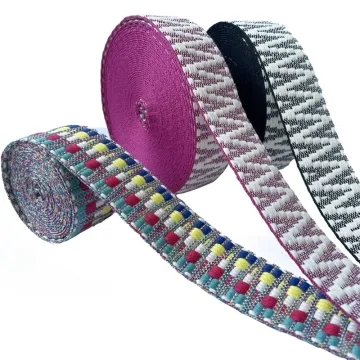
In this guide
Key choices for your project
Label the approved sample with its revision and connect it to the written specification. State any remaining deviations explicitly rather than relying on a photo message. Keep matched approval samples where practical so incoming goods can be compared against the same physical reference.
- Sample ID and revision
- Written list of accepted deviations
- Retained physical approval reference
Release bulk production only when five gates have owners
“Sample approved” is too broad when colour, construction, artwork, testing and packing were reviewed by different people. Use one release record that identifies the evidence and approver for each gate.
Swipe to see the full comparison ↔
| Approval gate | Evidence to attach | Release decision |
|---|---|---|
| Construction | Signed physical sample plus measured width, thickness or weight and fibre statement | Release only the construction represented by the retained sample. |
| Colour and artwork | Colour reference, approved strike-off, repeat measurement and face/reverse photos | Record accepted differences; do not rely on an email saying only “looks good”. |
| Performance | Named methods, specimen details, results and buyer-set acceptance limits | Close each required test or document an authorised exception. |
| Packing and quantity | Roll length, splice rule, labels, carton marks, over/under allowance and pallet needs | Confirm the shipment can be received and counted as planned. |
| Commercial release | Final specification revision, purchase order, approval signatures and date | One authorised person releases production against one controlled revision. |
This is a control framework, not proof that any test or certification applies. The buyer defines required evidence for the end use.
Does a changed production route need reapproval?
Suppose a signed development sample used a narrow loom, but the bulk proposal uses a wider loom followed by slitting. Colour and face appearance look acceptable, yet the edge structure, roll length and finishing sequence no longer match the approved route.
Do not convert this into a vague “same quality” discussion. List every changed input and process, decide which approval evidence each change could affect, and release only the unaffected items while the remaining gates stay on hold.
Create a dated record of approvals, conditions and changes that trigger review.
Approve a production-intent line trial
Run enough tape from the proposed bulk route to pass through cutting, sewing and hardware assembly under normal line settings. Record stoppages, operator adjustments and usable yield. A hand-made development sample may look correct while behaving differently at production speed or roll length.
- Line behaviour under normal settings
- Usable yield and recorded adjustments
Close every deviation before release
List each difference between the requested specification and approval sample with an owner, decision and expiry. Distinguish a permanent specification change from a one-order concession. Release production only against the updated record so an accepted exception does not become an undocumented standard for later orders.
- Disposition for every open deviation
- Permanent change or one-order concession
Build a release packet around one controlled revision
Connect the physical reference, production route and authorised decision in one packet.
Swipe to see all columns ↔
| Field | Record | Confirm |
|---|---|---|
| Controlled specification | Revision, date and linked artwork or colour files | Check every attachment carries that revision |
| Production route | Material source, weaving, colour, finish and cutting method | Compare bulk and sample travellers |
| Approval reference | Sample ID, retained quantity, condition and custodian | Match buyer and supplier labels |
| Open deviation | Affected feature, evidence, owner, disposition and expiry | Close it or grant a one-order concession |
| Release authority | Approver, date and purchase-order scope | Verify authority for that order |
| Reapproval trigger | Changed input, process, site, artwork or criterion | Include it in the change notice |
The buyer defines critical features and authority. A signed packet records the decision but does not prove bulk conformity.
Download specification worksheet ↓Turn sample approval into an executable release
Map development to bulk
Compare sample and proposed bulk travellers line by line. Mark changed material, equipment, sequence and subcontracted steps, then link each difference to an affected approval gate.
Resolve change evidence
For each material difference, request the smallest relevant evidence: a new coupon, measured result, assembly trial or packing mock-up. Record the resulting pass, hold or concession.
Assemble the master set
Pair the signed physical sample with the released specification, artwork, colour reference and deviation log. Label both retained counterparts with the same identifier and date.
Issue and preserve the decision
One authorised owner releases the defined order scope. Archive the packet, communicate reapproval triggers and use the same master set when receiving bulk goods.
Three weak release records
Approve through an unlabelled photograph
A picture cannot preserve construction, hand, edge or exact colour and may lose its revision. Keep it only as support for an identified physical sample.
Treat a route change as an internal detail
A new loom, dye route or cut can alter approved features although nominal values remain. Screen the change and reopen the affected gates.
Let a concession become the next standard
A one-delivery exception can silently define future production. State its order scope and expiry, then restore the specification or approve a permanent revision.
Questions before you choose
What exactly should be approved before custom webbing enters bulk production?
Approve a dated specification, artwork and colour reference together with a representative sample made from the intended material, weave and finish. Record measured dimensions and any accepted limits. If critical, approve the webbing in its actual sewn or hardware assembly as well.
Does sample approval remove the need for incoming inspection?
No. Approval defines the target; it does not prove every bulk roll meets it. Use the approved master and specification for receiving checks. Require reapproval when material, process, colour source, artwork revision or another agreed critical input changes.
Products to start with
Open a product to see its listed specification. Custom colours, dimensions and order terms are confirmed for your project.
More product photos
Tell us what you are making
You can enquire before every detail is settled. Tell us the intended use and what you need help choosing; add dimensions or quantities if you know them.
What happens after your enquiry
We review the intended use and open specification questions first. Sample options, costs, minimum quantities and timing can then be discussed against that brief. Sending an enquiry does not place an order.
Request a relevant sample →