Plan custom webbing production lead times
Separate artwork approval, material preparation, sampling and bulk production. A requested delivery date is easier to assess when each approval milestone has an owner.
Content updated

In this guide
Key choices for your project
Separate artwork confirmation, sample making, sample approval, production and transport in the schedule. Ask what starts each stage and which changes restart it. A production estimate is most useful when attached to a confirmed specification, quantity and approval date.
- Stage-by-stage dates
- Approval owner for each stage
- Effect of specification changes
Build the lead time from five approval gates
A single number such as “four weeks” is ambiguous unless its start, approvals and delivery point are defined. Ask for a dated schedule that separates buyer waiting time from production time.
Swipe to see the full comparison ↔
| Stage | Clock starts when | Buyer action that prevents delay |
|---|---|---|
| Specification freeze | Width, construction, colour, artwork, quantity and packing are confirmed. | Return one consolidated specification and resolve conflicting drawings. |
| Material and colour | Required yarn or raw material route is approved and available. | Approve physical colour under agreed light; state if a new colour match is needed. |
| Sample approval | The agreed sample type is produced and delivered. | Name the approver, response deadline and exactly what may change after approval. |
| Bulk production | Signed approval and required deposit or order release are received. | Avoid adding variants after the slot is booked; record any approved deviation. |
| Inspection and dispatch | Bulk is complete and inspection/packing criteria are available. | Book any third-party inspection and confirm marks, documents and delivery term early. |
Lead time is order-specific and is not promised by this example. Quote calendar dates and dependencies, not a duration alone.
A delivery target slips before bulk production even starts
Imagine a colour order planned from a launch. The schedule assumes sampling, buyer review and material preparation overlap, but colour approval is the trigger for yarn preparation. Late feedback changes colour, so the critical sequence restarts while the original dispatch date remains on the spreadsheet.
Map dependencies rather than adding independent duration estimates. Give every stage a start trigger, owner, planned output and response deadline, including courier and internal review time. After any approved change or delayed decision, recalculate the critical sequence and issue the new downstream dates.
Treat lead time as a dependency-based schedule tied to confirmed inputs and approvals, with visible buyer response time and explicit restart rules.
Identify the task that sets the dispatch date
Place material, colour, artwork, sample, production, inspection and packing on one dependency map rather than adding independent estimates. Mark which task cannot start until another is approved. The critical sequence may change when a colour or test is added, so update dates after every approved revision.
- Dependency map with start triggers
- Critical sequence after each revision
Reserve buyer response time explicitly
Give each sample or document an owner, response deadline and backup approver. Include courier transit and internal review in the calendar. When feedback arrives late or conflicts across teams, record the revised downstream dates instead of compressing production silently to preserve the original target.
- Owner and deadline for every approval
- Schedule update after delayed feedback
Build a milestone and dependency schedule
Show what starts each stage and what can stop or restart it.
Swipe to see all columns ↔
| Stage | Record | Confirm |
|---|---|---|
| Specification and order | Controlled revision, quantity, commercial trigger and owner | Mark readiness date |
| Material preparation | Yarn, colour or finish inputs and predecessor approval | Supplier confirms start condition |
| Sampling | Sample type, inputs, making time and courier transit | Book dispatch and receipt dates |
| Buyer approval | Reviewer, backup, decision output and response deadline | Record approval timestamp |
| Bulk and inspection | Production slot, predecessor, inspection and packing outputs | Update from actual release |
| Transport | Dispatch readiness, route, handover and requested arrival | Confirm with logistics plan |
Dates are planning evidence for the stated scope, not universal promises. Changes to colour, artwork, construction, quantity or test requirements may alter the critical sequence.
Download specification worksheet ↓Plan and maintain the real critical sequence
Map all dependent work
Place specification, material, colour, artwork, samples, review, production, inspection, packing and transport on one linked schedule rather than separate lists.
Assign triggers and owners
For each stage, state the clear approved input that allows work to start, the responsible person, output and decision deadline.
Find the critical sequence
Identify tasks that control dispatch because later work cannot begin without them. Include buyer review, courier movement and internal escalation time.
Recalculate after every change
When feedback is late or a revision restarts work, update affected dependencies and issue new downstream dates instead of silently compressing production.
Three schedules that create false confidence
Start the clock before inputs are ready
An estimate given before specification, colour, artwork or order trigger is confirmed lacks a defined start. Record the actual readiness condition.
Add durations as if every task were independent
Some work overlaps while other work waits for approval. A linked dependency map reveals the sequence that truly controls dispatch.
Hide late feedback by shortening production
Compressing an unchanged production plan transfers risk to quality and inspection. Show the delay and agree a revised scope, route or date.
Questions before you choose
When does lead time for custom webbing actually begin?
Agree the start trigger in writing: approved specification and artwork, confirmed colour, completed sample approval, available material and accepted order or payment terms as applicable. A calendar estimate given before those inputs are complete should not be treated as a committed production date.
How can a buyer build a realistic webbing delivery schedule?
Separate time for artwork, yarn or colour preparation, sampling, buyer review, production, inspection, packing and transport. Add decision time on the buyer’s side and identify the critical approval. A late colour change can restart preparation rather than merely add one day.
Products to start with
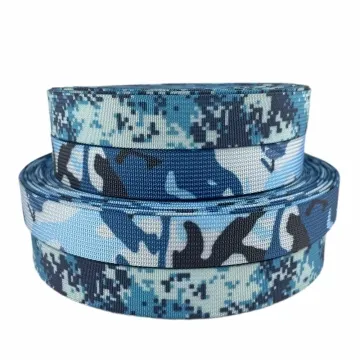
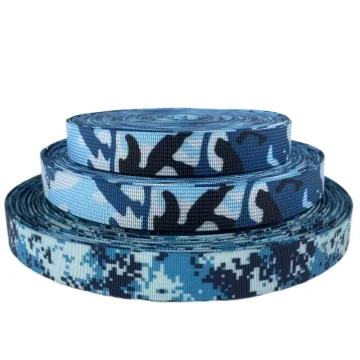
Open a product to see its listed specification. Custom colours, dimensions and order terms are confirmed for your project.
More product photos

Tell us what you are making
You can enquire before every detail is settled. Tell us the intended use and what you need help choosing; add dimensions or quantities if you know them.
What happens after your enquiry
We review the intended use and open specification questions first. Sample options, costs, minimum quantities and timing can then be discussed against that brief. Sending an enquiry does not place an order.
Request a relevant sample →