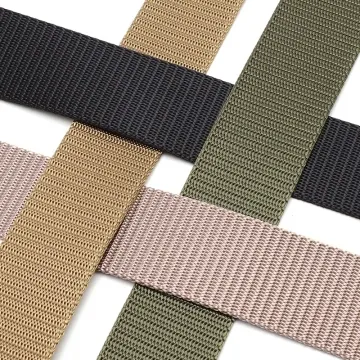
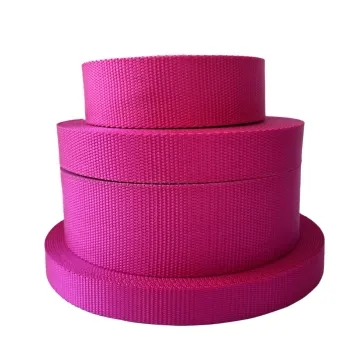
Soft touch webbing for straps
Softness should be judged after the intended sewing and washing process. Compare edge feel, bending and recovery rather than approving a hand-feel swatch alone.
Content updated
In this guide
Key choices for your project
Softness can come from fibre, weave or finishing; record which sample is being approved. Compare bending across the width as well as along the length. A pleasant loose swatch may feel different after stitching, edge sealing or contact with the chosen lining.
- Approved reference for feel
- Bending in both directions
- Feel after final assembly
The softest loose swatch can become the firmest contact point after sewing
Imagine three tapes that feel similar when stroked along the face. One bends easily lengthwise but resists folding across its width; another has a soft face and firm edges; the third gains its feel from a finish that changes after the planned wash. Once sewn over a lining, the seam and sealed end create the dominant contact points.
Define where the strap touches skin, clothing, hardware and itself, then compare face, edges and bends in those directions. Build the intended layers, seams, folds and end treatments before judging feel. Apply the relevant cleaning or moisture sequence and an agreed recovery interval. Record bending method, sample state and physical reference so “soft touch” becomes a repeatable construction decision rather than a verbal request.
Approve softness on the finished contact construction, including face, edges, multidirectional bending, sewing, end treatment and after-care response.
Compare hand without revealing sample identity
Present coded samples in the same width and thickness range, then ask reviewers to rank softness, drag and edge comfort separately. A familiar fibre name or colour can bias a hand assessment. Record the intended skin-contact zone and choose the sample that performs there.
- Blind ranking by separate touch attributes
- Decision linked to the contact zone
Recheck softness after use simulation
Flex, wash or abrade the sample using the product’s expected care and movement, then repeat the same hand review. Inspect fuzzing, edge hardening and changes in buckle feed. An initially soft tape may become rough or unstable, so approve both the new and conditioned states.
- Hand rating after conditioning
- Fuzzing and hardware-feed change
Create a repeatable soft-touch reference
The record separates fibre, weave and finish effects and connects them to the actual contact zones of the assembled strap.
Swipe to see all columns ↔
| Field | What to record | How to confirm |
|---|---|---|
| Material construction | Fibre, yarn, weave, width, thickness, edge, finish, colour, lot and sample code | Inspect retained approved tape |
| Contact map | Face, back, edges, folds, seams, ends and hardware zones touching skin or clothing | Mark complete product drawing |
| Bending response | Lengthwise and crosswise direction, bend method, radius or fixture, recovery time and observation | Compare conditioned marked samples |
| Assembly build | Lining, padding, layer order, seam, stitch, fold, reinforcement and end treatment | Make production-equivalent section |
| Care state | Dry baseline, relevant moisture or cleaning, drying method and recovery interval | Process matched assemblies |
| Approval reference | Physical swatch, finished section, viewing and handling method, date and approver | Seal identified reference set |
Soft touch is application-specific and does not establish strength, abrasion resistance or product suitability; the buyer defines those acceptance criteria separately.
Download specification worksheet ↓Judge softness where the finished strap makes contact
Map every contact zone
Identify which face, edge, fold, seam, end and hardware transition contacts the user, clothing or another product surface.
Compare directional bending
Use one stated method to bend marked samples lengthwise and crosswise, then record recovery instead of relying on an undefined hand feel.
Build the final layers
Sew the intended lining, padding, folds and end treatment with production materials because local seams can dominate the contact sensation.
Condition and retain references
Apply the relevant care sequence, allow agreed recovery and seal both loose tape and finished section with exact sample identities.
Softness approvals that do not survive assembly
Stroking only the tape face
Edges, crosswise stiffness and seams often create the contact sensation. Evaluate every user-facing zone on the assembled strap.
Using soft as an unmeasured adjective
People rank samples differently without a common method. Keep physical references and a stated bending and handling sequence.
Ignoring care and end treatment
Cleaning, drying, heat sealing or folded ends can change feel. Compare matched constructions after the intended process and recovery.
Questions before you choose
What makes webbing feel soft without becoming too flexible?
Softness can come from yarn, weave, density or finishing, while body depends on the whole construction. Send a physical hand reference and define where the strap must bend or support. Compare edge feel, recovery and buckle control, not touch alone.
Is soft-touch webbing suitable for direct skin contact?
It may be, but a pleasant loose-tape feel does not predict every contact point. Sew the intended edge, overlap and label, then assess rubbing under moisture and movement. Also confirm cleaning, colour transfer and whether the buckle creates a hard transition.
Products to start with
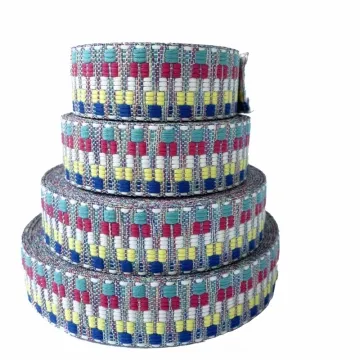
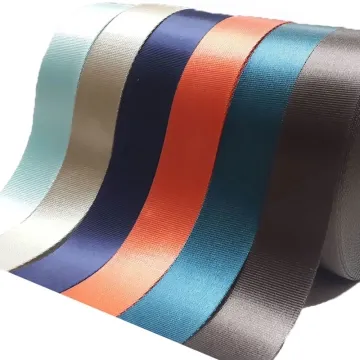
These products are starting references for the base construction. The requested finish and its test criteria need a separate feasibility review.
More product photos
Tell us what you are making
You can enquire before every detail is settled. Tell us the intended use and what you need help choosing; add dimensions or quantities if you know them.
What happens after your enquiry
We review the intended use and open specification questions first. Sample options, costs, minimum quantities and timing can then be discussed against that brief. Sending an enquiry does not place an order.
Request a relevant sample →