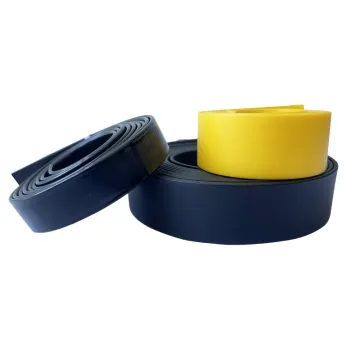
Flame retardant webbing development
Start with the applicable end-product requirement and test method. Treatment feasibility, sample construction and care durability must be agreed before any compliance claim is made.
Content updated
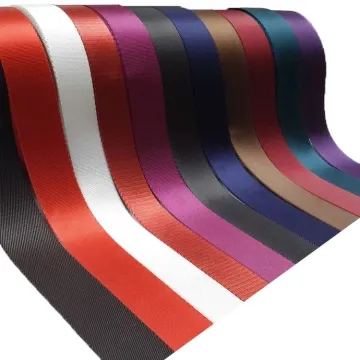
In this guide
Key choices for your project
Start with the exact application and test requirement, including any cleaning before testing. Flame-retardant treatment is a development request, not a blanket approval for all webbing. Ask which proposed construction can be evaluated and what sample or report is required for acceptance.
- Applicable test requirement
- Preconditioning or cleaning
- Report tied to the final construction
A treatment name cannot carry an approval between constructions
Imagine a flame-retardant tape trial evaluated before dyeing and cleaning. The purchase order later requests another colour, a softer finish and a sewn multilayer assembly, yet references only the earlier report. The report may describe its tested specimen correctly, but the ordered construction and care history no longer match it.
Start from the finished product requirement, test method, specimen orientation, conditioning and acceptance criteria. Give each fibre, weave, colour and treatment route a specimen code. Prepare the stated assembly, apply the required cleaning sequence, and have the designated evaluator assess that identified configuration before wording any claim.
Tie every decision and claim to an identified specimen, stated method, care history and final construction; review changes before reuse.
Trace the evaluated specimen to the order
Give each development specimen an identifier that links fibre, weave, colour, treatment route and any cleaning precondition. The resulting report should identify the specimen actually evaluated. If a later order changes one of those inputs, review whether new evidence is needed before repeating the claim.
- Specimen-to-report identifier
- Reapproval list for construction changes
Assess the treated tape inside its assembly
Sew, fold or layer the candidate exactly as the product will use it, then review whether added bulk, stiffness or surface change affects manufacture. This assembly review does not replace the required end-product evaluation. It catches production failures that a treatment result on loose tape cannot reveal.
- Assembly made with production operations
- Recorded handling change after treatment
Build a traceable development brief
Translate “flame retardant” into one project-defined evaluation path before choosing chemistry or preparing tape.
Swipe to see all columns ↔
| Field | What to record | How to confirm |
|---|---|---|
| End-product requirement | Product, market, responsible requirement, method and acceptance criteria | Buyer supplies controlled reference |
| Specimen construction | Fibre, weave, colour, finish, width, thickness, face and direction | Assign a unique specimen code |
| Pre-test history | Conditioning, cleaning method, cycle count, drying and storage | Record each completed operation |
| Assembly state | Loose tape, folds, seams, layers, adjacent materials and specimen orientation | Build the specified configuration |
| Evidence package | Evaluator, report identity, result scope, deviations and sample disposition | Match report to specimen code |
| Change control | Inputs requiring review, replacement evidence or renewed evaluation | Approve a project-specific change list |
Test methods and acceptance rules belong to the buyer’s end-product obligation. Development samples do not establish certification or transfer a result to untested variants.
Download specification worksheet ↓Move from requirement to controlled evidence
Translate the requirement
Record the exact end-product obligation, test method, specimen form, orientation, preconditioning and decision owner before selecting a treatment route.
Code the development matrix
Give each fibre, weave, colour, finish and treatment combination a unique identifier, with untreated controls where the evaluation plan requires them.
Prepare the stated specimen
Sew or layer the identified tape as specified, complete the agreed cleaning and conditioning, and preserve operation records with each specimen.
Review evidence and changes
Link evaluator documentation to the specimen code, record handling effects, and decide which later construction changes require renewed assessment.
Assumptions that break evidence continuity
Treating FR as one material property
Performance depends on the identified construction, treatment, specimen state and method. Name every controlled input instead of buying a generic label.
Citing a detached report
A report without matching specimen identity and care history cannot show that the ordered variant was evaluated. Reconcile codes before quotation.
Testing loose tape only
Folds, seams, layers and neighbouring materials can change specimen behaviour and manufacturability. Use the assembly state required by the applicable evaluation.
Questions before you choose
What information is needed before developing flame-retardant webbing?
Name the finished product, market, exact test or regulation, specimen orientation, acceptance criteria and care history. “Flame retardant” alone is not a transferable approval. The selected fibre, weave, colour, finish and complete assembly must match the construction submitted for evaluation.
Does a flame-retardant treatment remain effective after washing?
That depends on the chemistry, fibre and care process; it cannot be assumed. State the required cleaning cycles and method before development, then evaluate conditioned specimens from the exact production construction. Keep untreated and treated variants clearly identified in purchasing records.
Products to start with
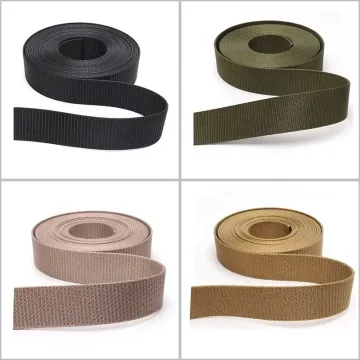
These products are starting references for the base construction. The requested finish and its test criteria need a separate feasibility review.
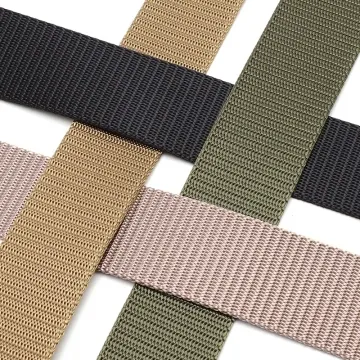
More product photos
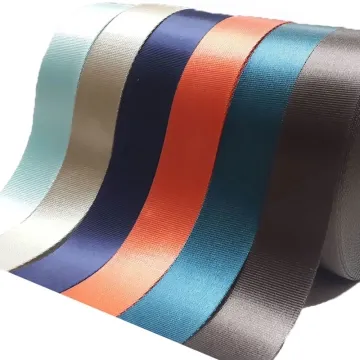
Tell us what you are making
You can enquire before every detail is settled. Tell us the intended use and what you need help choosing; add dimensions or quantities if you know them.
What happens after your enquiry
We review the intended use and open specification questions first. Sample options, costs, minimum quantities and timing can then be discussed against that brief. Sending an enquiry does not place an order.
Request a relevant sample →