Shoelace Diameter and Eyelet Fit
Shoelace diameter affects more than whether a lace enters an eyelet. Compression, surface friction, tip size and knot bulk determine how the shoe laces, holds and looks in use.
Content updated
In this guide
Key choices for your project
Choose with a complete lacing trial. Fit the proposed lace and tip through the production eyelets, lace the full shoe, tighten it as a wearer would and tie the intended knot. Compare round and flat options for effort, knot volume, release and visual proportion.
- Thread the finished tip through every eyelet and speed hook in the actual route.
- Tighten and release the full lacing pattern, noting drag, pressure points and tip damage.
- Pair left and right laces by relaxed length, colour and tip position before packing.
Eyelet clearance includes the tip and compressed lace
A nominal cord diameter does not describe its compressed shape. A braided round lace may flatten under load; a flat lace can fold at a small eyelet. The rigid tip can be wider than either. Measure the opening, but confirm fit by threading the production finish repeatedly and checking abrasion at metal, coated or stitched eyelets.
A lace can pass the eyelet and still make the shoe difficult to use
Imagine selecting a nominally slim lace for a small eyelet. The relaxed cord is slightly oval, so the aglet passes but the larger rope axis rubs after rotation. A soft construction flattens under pull and moves freely, yet its knot becomes bulky and slowly loosens. A firmer alternative holds its shape but jams where two lace segments share the top eyelet.
Measure major and minor axes after a defined relaxation period and under a stated measuring force. Record the aglet’s maximum profile, transition and stiffness separately. Lace a production shoe through every eyelet with the intended pattern, tighten and release it repeatedly, then tie the specified knot. Compare passage force, abrasion, flattening, knot size, tail length and untying under dry and relevant conditioned states.
Match cord section, compression, aglet, eyelet path and knot behaviour in a complete production shoe rather than choosing from nominal diameter alone.
Products to start with
Open a product to see its listed specification. Custom colours, dimensions and order terms are confirmed for your project.
More product photos
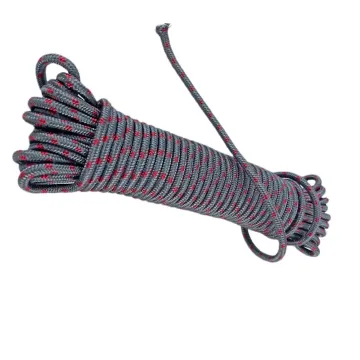
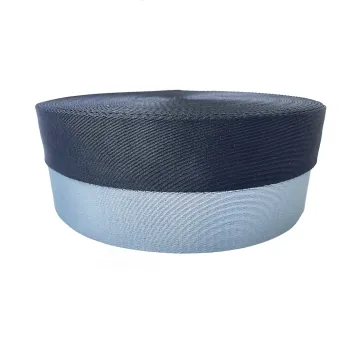
Knot behaviour is part of the specification
Surface, braid, elasticity and cross-section change knot size and how easily it loosens. A high-friction lace may hold well but feel slow through many eyelets; a smooth option may need a different knot. Record relaxed length, stretch during tightening, tip dimensions and packing as matched pairs so the approved appearance reaches production.
Specify the lace, aglet and eyelet path together
The record connects measured lace geometry to the tightest passage, lacing pattern, hand operation and finished knot.
Swipe to see all columns ↔
| Field | What to record | How to confirm |
|---|---|---|
| Cord construction | Fibre, braid, core, finish, colour, firmness, nominal size and sample code | Inspect approved relaxed sample |
| Measured section | Major and minor axes, method, force, relaxation time, positions and tolerance | Measure marked cord positions |
| Aglet profile | Material, length, maximum section, transition, edge, stiffness and attachment | Measure production-made aglets |
| Eyelet route | Hole or guide dimensions, lining layers, edge, spacing, pair count and lacing pattern | Use production upper and components |
| Knot requirement | Knot type, finished volume, tail length, tightening and release sequence | Tie on completed shoe |
| Use states | Dry and relevant moisture or cleaning state, cycles, recovery and observations | Run matched complete assemblies |
The buyer should define footwear-specific durability and acceptance; passage through one loose eyelet does not validate the complete lacing system.
Download specification worksheet ↓Resolve fit from tip to finished knot
Measure cord and aglet separately
Record two cord axes after controlled relaxation, then measure the aglet’s largest section and transition using the stated method.
Map the complete route
Identify the smallest finished eyelet, doubled lace locations, lining layers, sharp turns and any guide that changes compression or orientation.
Lace a production shoe
Use the intended pattern and pair count, then repeat tightening and release while observing force, rubbing, flattening and aglet damage.
Evaluate the finished knot
Tie the specified knot at practical tension and compare bulk, tail length, handling and retention through the buyer’s defined sequence.
Diameter decisions that omit the lacing system
Checking only the aglet
A slim tip can pass while the cord body rubs or jams. Measure both and test their transition through every eyelet.
Testing a single loose eyelet
Upper layers, eyelet spacing and doubled segments change the route. Lace the production shoe with its full pattern and pair count.
Treating easy passage as good knotting
Compression that improves passage may alter knot volume and retention. Evaluate the exact knot and operating sequence required by the buyer.
Questions before you choose
Can I select shoelace diameter from the eyelet measurement alone?
No. Allow for the finished tip, compressed lace shape, eyelet edge and full lacing route. A sample can pass one loose eyelet yet bind after repeated turns across the shoe.
What should be included in a shoelace fit sample?
Send the shoe upper or actual eyelets, the full lacing diagram, target appearance, required relaxed length, tip style and packaging method. Approve a completed pair rather than a short loose segment.
Tell us what you are making
You can enquire before every detail is settled. Tell us the intended use and what you need help choosing; add dimensions or quantities if you know them.
What happens after your enquiry
We review the intended use and open specification questions first. Sample options, costs, minimum quantities and timing can then be discussed against that brief. Sending an enquiry does not place an order.
Request a relevant sample →