Polypropylene rope sourcing checklist
Confirm whether the rope is polypropylene throughout or uses mixed components. Match the braid and firmness to the intended fitting before comparing quotations.
Content updated
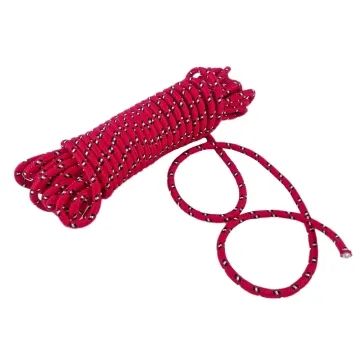
In this guide
Key choices for your project
Do not transfer a specification from a PP tape to a PP rope. Ask for the rope's yarn type, braid and core details. Compare weight per metre and finished diameter on the sample; a loose braid can compress through a fitting differently from a firm one.
- Yarn and braid identification
- Measured weight per metre
- Compression through the fitting
Does each package contain the usable continuous length ordered?
Define whether knots, splices or marked defects are permitted within a coil and how usable length is measured. Check package identification against the actual start and end, then record any excluded section separately. Gross coil weight or outside dimensions do not demonstrate continuous usable metres for assembly.
- Actual usable length between accepted ends
- Location and treatment of any splice or marked defect
Two polypropylene ropes can share a diameter and behave differently in the same fitting
Imagine two quoted PP ropes both described as eight millimetres. One has a firm braided cover and defined core; the other compresses easily and flattens where a cord lock or sleeve grips it. Their coil weights look plausible, yet one package also contains a splice that interrupts the continuous assembly length.
Define how diameter is measured, whether a core is present, and the allowable compression through the intended fitting. Open a representative package, measure usable continuous length between accepted ends, mark any splice or defect, then build the planned termination. Compare mass, handling and fit before comparing delivered price.
Buy a named rope construction and usable continuous length, not polypropylene fibre plus nominal diameter alone.
Products to start with
Open a product to see its listed specification. Custom colours, dimensions and order terms are confirmed for your project.
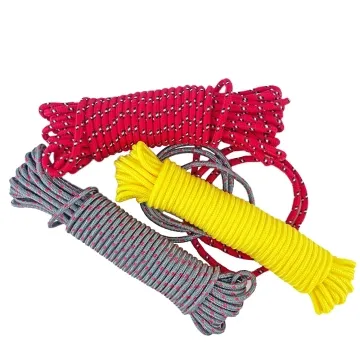
More product photos
Will storage conditions alter the approved rope before assembly?
State the expected storage period, temperature exposure and package support rather than assuming polypropylene behaves the same in every warehouse. Compare an approved packed sample after the relevant storage simulation for flattening, tack, odour or colour change. Any ageing or compliance requirement needs its own agreed method and evidence.
- Rope condition after the agreed packed-storage simulation
- Package support and storage identification
Turn the PP rope request into a measurable purchase record
The record links rope build, fitting behaviour, usable length and packing so reorder substitutions become visible.
Swipe to see all columns ↔
| Field | What to record | How to confirm |
|---|---|---|
| Material construction | Cover and core material, yarn form, braid, finish and sample code | Review declaration and labelled cross-section |
| Measured section | Diameter method, roundness, mass per length and compression | Measure conditioned rope free and in fitting |
| Continuous length | Usable metres, permitted joins, defect marks and accepted endpoints | Uncoil one pack and map excluded sections |
| End preparation | Cut, sealing, knot, splice, sleeve or other termination | Build with intended tools and components |
| Fitting interface | Model, entry profile, bend, grip length and travel | Route a representative finished section |
| Packing and storage | Coil support, tie, label, pack count and storage conditions | Inspect a packed sample after agreed simulation |
Property and ageing requirements need named methods and project acceptance; the fibre name supplies no automatic guarantee.
Download specification worksheet ↓Verify the rope from package to termination
Define the construction boundary
State whether cover and core must be polypropylene, identify braid and finish, and assign the candidate and revision a sample code.
Measure rope and fitting together
Record free diameter, mass and roundness, then observe compression, tracking and release through the exact cord lock, sleeve or guide.
Audit continuous usable length
Open a representative coil, identify its true endpoints and map knots, splices, marked defects and any length excluded from assembly.
Build and repack the component
Make the intended end construction, inspect handling, then recoil with approved support and confirm label, count and post-storage shape.
PP rope assumptions that disrupt assembly
Reusing a PP webbing specification
Flat tape fields do not define rope core, braid or compression. Write a rope-specific construction and measure it through the actual fitting.
Inferring length from coil weight
Mass varies with construction and moisture, while joins may interrupt usability. Measure continuous accepted metres between defined endpoints for assembly.
Calling every package storage-stable
Unsupported coils may flatten or set before use. Agree pack support and storage conditions, then inspect the packed approved construction.
Questions before you choose
When is polypropylene rope a useful sourcing option?
Its low material density can help when low mass matters, but finished weight depends on diameter, core and braid. Define the environment, handling and end connection first. Compare actual metres, grams per metre, compression and hardware fit rather than choosing by fibre price alone.
What should be fixed in a polypropylene rope purchase specification?
State exact material declaration, braid and core, diameter measurement method, colour, finish, cut length, end treatment and packing. Add the required property with its test method. A generic polypropylene rope name is too broad to ensure the reordered construction stays the same.
Tell us what you are making
You can enquire before every detail is settled. Tell us the intended use and what you need help choosing; add dimensions or quantities if you know them.
What happens after your enquiry
We review the intended use and open specification questions first. Sample options, costs, minimum quantities and timing can then be discussed against that brief. Sending an enquiry does not place an order.
Request a relevant sample →