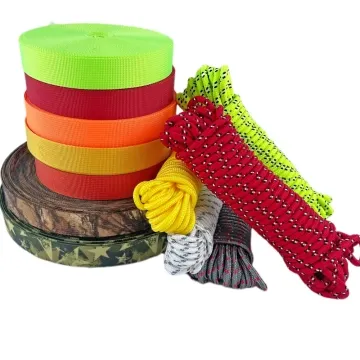
Custom braided rope supplier
Define diameter, firmness and the way the rope will terminate. A braid that looks suitable on a reel may behave differently inside your handle or fitting.
Content updated
In this guide
Key choices for your project
Specify the braid and core separately. Two ropes with the same outside diameter can feel and compress differently because of their internal construction. Send the intended knot, splice, seam or end fitting with the brief so the rope can be sampled as an assembled component.
- Braid and core description
- Diameter under agreed conditions
- Compatibility with the end connection
Does the braid stay balanced when the rope is cut?
Mark a straight reference along the rope, cut specimens using the proposed process and release their packing tension. Watch for cover rotation, strand opening, core withdrawal and a change in diameter near the end. A balanced reel sample can behave differently after cutting, so approve the delivered end condition.
- Cover rotation and strand opening after cutting
- Core position and diameter near the released end
A reel can change when the rope is cut
Imagine a braided rope that looks round and feeds evenly from the outside of a reel. After cutting, its cover rotates, the core withdraws and the end grows softer. Rope from inner wraps stays flatter and enters the terminal differently. The approved loose sample did not represent the released condition.
Specify cover and core, then cut sections with the intended process. Relax samples from outer, middle and inner reel positions before measuring them. Fit the proposed knot, sewn joint or terminal and compare end stability, section recovery, grip and feeding with the reference.
Approve released rope from several reel positions with its cut method, connection and packing format.
Products to start with
Open a product to see its listed specification. Custom colours, dimensions and order terms are confirmed for your project.
More product photos
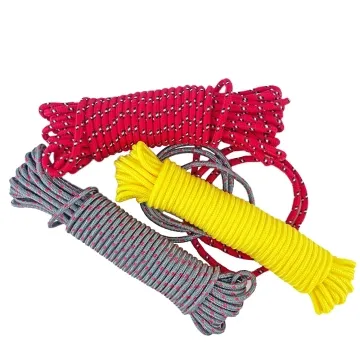
Will reel packing alter the rope supplied to assembly?
Define reel core size, winding direction and maximum acceptable flattening by an approved packed sample rather than an invented number. Compare rope from the outside, middle and inner wraps after relaxation. Tight winding can change temporary shape or feed even when the braid itself has not changed.
- Cross-section from outer, middle and inner wraps
- Winding direction and reel identification
Describe the rope from braid to packed reel
Connect construction, cutting, connection and delivery condition.
Swipe to see all columns ↔
| Field | What to record | How to confirm |
|---|---|---|
| Braid and core | Cover yarn, braid arrangement, core material or coreless construction | Retain an identified construction sample |
| Relaxed section | Diameter or width, roundness, firmness and measurement pressure | Measure after an agreed relaxation period |
| Cut method | Tool, restraint, heat or other end treatment and release sequence | Cut marked specimens using the intended process |
| Connection | Knot, sewing, splice or terminal, insertion and orientation | Build the production-intent end assembly |
| Continuous supply | Required unbroken length, joints, reel core and winding direction | Review the labelled packed trial reel |
| Sampling positions | Outer, middle and inner wraps plus retained reference | Compare relaxed sections and feeding side by side |
Diameter alone does not define firmness, compression, cut-end balance or retention in the intended connection.
Download specification worksheet ↓Release, connect and feed the proposed rope
Define the end use
Record the route, contact surfaces, intended connection and handling condition so construction choices can be judged in the actual assembly.
Cut and release specimens
Mark a straight reference, cut with the proposed process, remove restraint and observe cover rotation, strand opening, core movement and section recovery.
Run a packing trial
Wind the proposed continuous length and direction on the intended reel format, then note flattening, twist, tangles and feeding behaviour.
Compare reel positions
Take marked rope from outer, middle and inner wraps, relax it equally and build the intended connection before retaining the approved set.
Shortcuts that conceal delivered-rope behaviour
Specifying outside diameter only
Ropes with the same outside size can differ in core, firmness and compression. Describe construction and compare the connected assembly under matched conditions.
Sampling only the outer layer
The outside wrap may look round while inner wraps remain flattened or feed differently. Sample identified positions after the complete packing trial.
Approving rope without its termination
A loose rope cannot reveal withdrawal, grip or bulk at a knot, seam or terminal. Approve the proposed connection with released rope.
Questions before you choose
Why do two braided ropes with the same diameter feel different?
Braid pattern, cover yarn, core and packing density change firmness and compression. Ask for cover and core separately, then compare diameter under the same measuring pressure. Test the actual knot, seam or terminal because it may grip each construction differently.
Should a custom braided rope have a core?
That depends on the required hand, shape retention, compression and end connection. A coreless braid may flatten differently; a cored rope can vary with core material and size. Compare assembled samples rather than choosing from outside diameter and appearance alone.
Tell us what you are making
You can enquire before every detail is settled. Tell us the intended use and what you need help choosing; add dimensions or quantities if you know them.
What happens after your enquiry
We review the intended use and open specification questions first. Sample options, costs, minimum quantities and timing can then be discussed against that brief. Sending an enquiry does not place an order.
Request a relevant sample →