How to Specify Webbing for a MOLLE or PALS-Style Panel
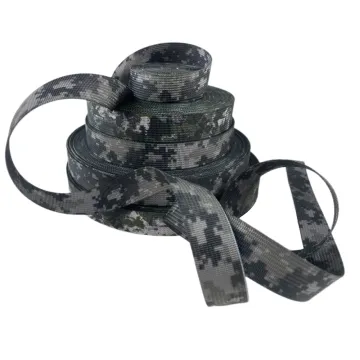
A camouflage tape arranged in rows can resemble a modular panel without being compatible with the buyer's pouches. Compatibility comes from the finished grid, stitching and material stack.
Content updated
In this guide
Key choices for your project
First state whether the request is visual styling or compatibility to a named buyer-controlled requirement. For compatibility work, issue the exact standard or drawing revision, dimension every row and stitch line from fixed datums, and define webbing, base fabric, thread and seam. Approve a sewn panel with the buyer's mating components and verification plan.
- Visual style or defined compatibility target
- Controlled drawing and revision
- Finished-panel fit and test responsibility
Control the grid after sewing, not the loose tape
Tape width alone does not set usable cells. Stitch bite, seam width, row alignment, base-fabric stretch and sewing feed all change the finished openings. Put horizontal and vertical datums on the panel drawing and measure several cells across the first sewn sample, including edge cells. Thread the buyer's representative attachment through the grid to expose tight, loose or skewed positions before colour or production approval.
- Datum-based row and stitch dimensions
- Centre and edge cell measurements
- Fit with buyer's mating attachment
A regular-looking grid may be only a visual treatment
Imagine two sewn panels with similar rows in a photograph. One request is for a modular visual style; the other must accept a buyer's existing attachment. Tape width alone cannot distinguish them because seam bite, row position, backing stretch and sewing feed all change the finished cells.
State the project type before quoting compatibility. For a functional interface, use the exact buyer-controlled drawing or requirement revision, define fixed datums and the complete material stack, then sew a full panel. Measure centre and edge cells and fit the buyer's representative mating component under its agreed verification plan.
Define and verify the finished interface; never infer compatibility from the loose tape or grid appearance.
Products to start with
Open a product to see its listed specification. Custom colours, dimensions and order terms are confirmed for your project.
More product photos
Keep material evidence separate from system claims
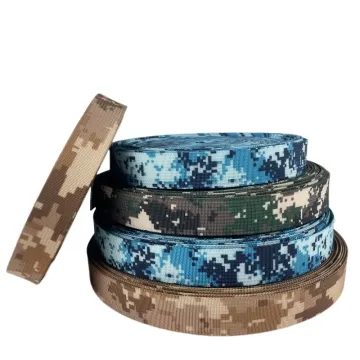
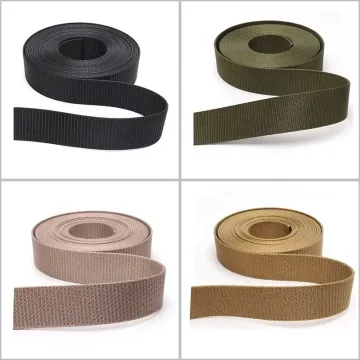
Specify fibre, construction, colour, thickness range and requested material tests for the tape, and do the same for the backing and seam. A product title containing camouflage or ‘mil-spec’ wording is not evidence that a tape or finished panel meets MOLLE, PALS or any military standard. Record the document source, revision, test method, sample identity and party responsible for final system validation.
- Tape, backing, thread and seam specifications
- Document source and revision
- Named verifier and finished-system evidence
Control the grid as a documented system
A useful panel specification identifies the governing requirement, geometric references, material stack and party responsible for final compatibility.
Swipe to see all columns ↔
| Field | What to record | How to confirm |
|---|---|---|
| Project objective | Visual styling or compatibility to a buyer-controlled interface | State the objective on enquiry, drawing and quotation |
| Source document | Buyer drawing or requirement title, owner and revision | Attach the controlled copy and record revision approval |
| Grid datums | Horizontal and vertical origins, row locations and stitch-line dimensions | Measure the sewn panel from fixed references |
| Material stack | Tape, backing, thread, seam construction and layer orientation | Identify production-intent materials on the sample record |
| Finished cells | Measurement locations at centre and edges plus project acceptance | Measure several cells after sewing and conditioning |
| Mating responsibility | Representative attachment, fit sequence and final validation owner | Fit the buyer-supplied component under the agreed plan |
Camouflage appearance, product naming or material evidence does not by itself establish MOLLE, PALS or military-system compliance.
Download specification worksheet ↓Move from controlled requirement to sewn evidence
Classify the request
Record whether the buyer wants visual rows or a defined compatible interface. Obtain the controlled target document before making any functional commitment.
Dimension from fixed datums
Create the panel drawing with row and stitch positions referenced horizontally and vertically, including edges where sewing feed or backing movement can accumulate.
Sew a complete representative panel
Use production-intent tape, backing, thread and seams, mark centre and edge cells, then condition the assembly by the buyer's agreed method.
Measure and mate the interface
Measure the marked cells, thread the buyer's representative attachment through each area and return observations to the party responsible for final system validation.
Claims and checks that confuse appearance with compatibility
Approving a grid from a photograph
Rows can look regular while usable openings vary. Measure a complete sewn panel from datums and include both centre and edge cells.
Specifying only the loose tape
Backing, seam bite and sewing feed shape the interface. Control the full material stack and finished seam geometry in the same record.
Treating a product label as compliance evidence
Terms such as camouflage or mil-spec do not prove a system requirement. Cite the buyer-controlled document and responsible validator for each project.
Questions before you choose
Can a standard-looking grid be quoted without a buyer drawing?
It can be quoted as a visual sample only if that limitation is explicit. A compatibility quotation needs the buyer's target document, panel geometry, mating component and acceptance method. Otherwise suppliers may price different constructions that look similar in photographs.
Does Sinicwebbing claim MOLLE, PALS or military compliance?
No such compliance is established by the catalogue wording referenced here. Any project requiring it must begin with the buyer's controlled requirement and must verify the specific tape, sewn panel and complete product by the agreed method and responsible party.
Tell us what you are making
You can enquire before every detail is settled. Tell us the intended use and what you need help choosing; add dimensions or quantities if you know them.
What happens after your enquiry
We review the intended use and open specification questions first. Sample options, costs, minimum quantities and timing can then be discussed against that brief. Sending an enquiry does not place an order.
Request a relevant sample →