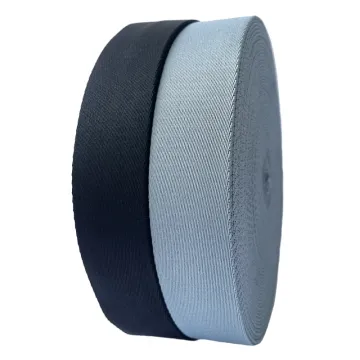
Heat set webbing and dimensional stability
Heat setting belongs in the dimensional specification. Measure the sample after printing and care treatment too, so later processing does not undo the approved fit.
Content updated
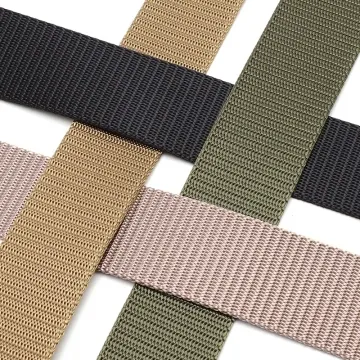
In this guide
Key choices for your project
Record whether measurements are taken before or after the agreed heat-setting stage. Later printing or pressing may expose the tape to heat again. Compare dimensions and flatness through the actual process sequence so the approved sample represents what reaches the sewing line.
- Measurement stage
- Later heat exposure
- Dimensions and flatness before sewing
A stable roll can move after the next heat process
Imagine heat-set tape that meets width and length checks after winding. It then passes under tension through printing, drying heat and product pressing. After relaxation, one edge bows and the printed repeat no longer reaches the sewing datum. The first measurement described an intermediate state, not the material delivered to assembly.
List downstream heat, tension, folding, washing and drying in production order. Mark specimens from one construction, record dimensions, then run the complete sequence. Relax them under the agreed condition without pulling straight. Measure length, width, bow, twist and repeat position, and build the relevant sewn or printed interface before deciding which stage controls acceptance.
Specify heat setting with the entire downstream time-temperature and tension history, and approve relaxed dimensions at the stage that enters product assembly.
Include every later heat exposure
List printing, drying, moulding, pressing and washing steps that occur after the tape is heat-set. Run the sample through the highest relevant downstream sequence before approving dimensions. A stable roll can still change when the finished product sees a second time-temperature history.
- Complete downstream heat sequence
- Dimensions after the final heat step
Measure twist and bow after relaxation
Cut labelled lengths from the roll, place them flat without tension and allow them to relax under the agreed condition. Record length, width, edge bow and any spiral twist. Measurements taken while the tape is pulled straight can hide a set that disrupts printing or sewing.
- Relaxed length and width
- Edge bow and spiral twist
Tie dimensional acceptance to a named process stage
Connect tape construction, heat-setting stage, later processing, relaxation and final assembly.
Swipe to see all columns ↔
| Field | What to record | How to confirm |
|---|---|---|
| Tape construction | Fibre, weave, width, thickness, finish, face, direction, lot and specimen code | Retain a marked untreated reference |
| Heat-setting stage | Route position, controlled process reference and measurement stage | Label specimens before and after |
| Downstream history | Printing, drying, moulding, pressing, washing, folding and applied tension in order | Run the stated full sequence |
| Relaxation condition | Temperature and humidity when controlled, support, time and absence of applied tension | Condition specimens as agreed |
| Dimensional outputs | Length, width, bow, twist, flatness and print or cut datum at named locations | Measure from marked points |
| Change control | Inputs requiring review and renewed comparison | Maintain a project-specific list |
Heat setting may change stability, surface or hand for a construction; it is not a universal remedy for shrinkage, bow or twist.
Download specification worksheet ↓Follow dimensions through the full process sequence
Establish marked baselines
Take specimens from the intended construction, mark measurement points and direction, and record relaxed starting dimensions without straightening tension.
Run production-order exposures
Apply heat setting and every later printing, drying, pressing, washing, folding and tension step in the intended order.
Relax and remeasure
Place specimens without applied tension under the agreed condition, then measure length, width, bow, twist, flatness and reference positions.
Build and decide
Use processed tape in the relevant print or sewing interface, compare handling and set the acceptance stage and change triggers.
Shortcuts that hide dimensional movement
Measuring while pulled straight
Tension can temporarily hide bow, twist and length change. Relax the marked tape before recording dimensions.
Ignoring later heat exposure
Printing, drying or pressing can change an earlier heat-set condition. Approve material after the complete ordered sequence.
Treating heat setting as a cure
Fibre, weave, finish and tension history still matter. Compare the exact treated construction against project-defined outputs.
Questions before you choose
What problem is heat setting intended to solve in webbing?
Depending on the fibre and process, heat setting may help stabilize dimensions, surface or hand. It is not a universal cure for shrinkage or twisting. Define the finished width and later heat exposures, then compare treated and untreated constructions after those steps.
Can printing or sewing change heat-set webbing afterwards?
Yes. Later heating, tension, folding and dense stitching can alter width, hand or tracking. Approve samples that have passed through the complete sequence, in the same order as production, and record the condition at which dimensions are measured.
Products to start with
These products are starting references for the base construction. The requested finish and its test criteria need a separate feasibility review.
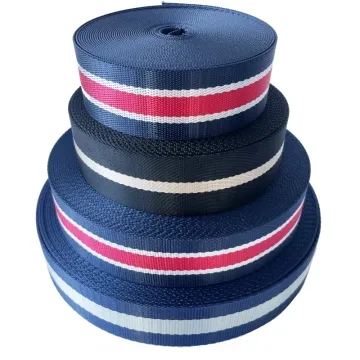
More product photos
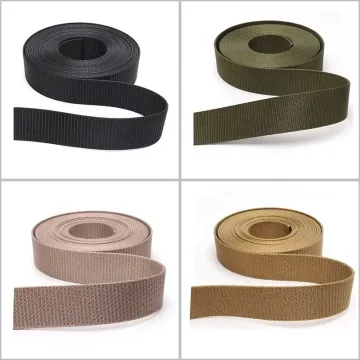
Tell us what you are making
You can enquire before every detail is settled. Tell us the intended use and what you need help choosing; add dimensions or quantities if you know them.
What happens after your enquiry
We review the intended use and open specification questions first. Sample options, costs, minimum quantities and timing can then be discussed against that brief. Sending an enquiry does not place an order.
Request a relevant sample →