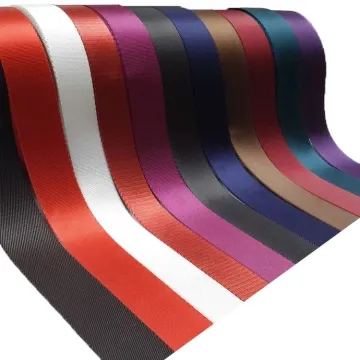
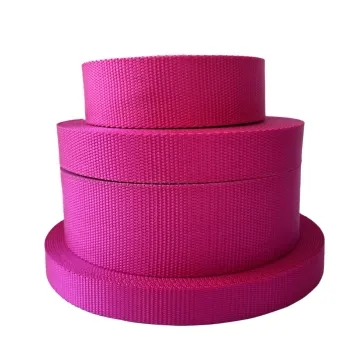
Outdoor webbing colourfastness
Colour change and colour transfer are separate checks. Define sunlight, wet rubbing and cleaning exposure, and compare both the strap and adjacent light-coloured fabric.
Content updated
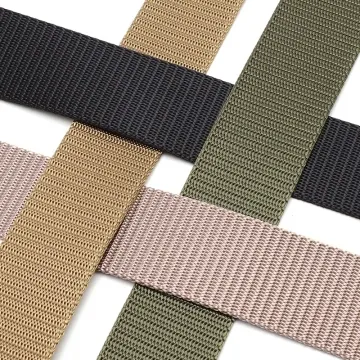
In this guide
Key choices for your project
Separate colour change of the webbing from staining of adjacent materials. Outdoor equipment may also be packed wet against pale fabric. Specify the exposure and evaluation method, then compare both the tape and its neighbouring materials after the agreed trial.
- Colour change on the tape
- Staining of adjacent fabric
- Exposure and evaluation conditions
The sun-facing strap and the wet folded tail create different color risks
Imagine an outdoor pack with a red top strap exposed while walking and a loose tail stored wet against a pale lining. The exposed face may change shade without marking anything; the folded tail may retain its color yet transfer dye during wet contact. One generic “outdoor colorfastness” result cannot answer both complaints.
Map the strap by exposure zone and define separate evaluations for color change and staining. Use the final fiber, dye route and finish, retain a protected control, and place the actual light companion fabric where transfer matters. Record conditioning, orientation, exposure and viewing light so each result remains interpretable.
Match each product zone to its exposure and evaluate webbing color change separately from staining of adjacent materials.
Assign exposure by product zone
Separate areas that face sun continuously from folded, shaded or skin-contact zones. Mark each zone on the finished-product drawing and rank the visible or staining risk. This prevents one generic outdoor requirement from overlooking wet contact inside a fold or a highly exposed top surface.
- Zone-by-zone exposure map
- Priority appearance or staining risk
Keep a protected half for every exposure trial
Cover or retain part of each approved specimen before exposure, then compare it beside the tested half under the agreed viewing light. Label fibre, colour, finish and orientation on the back. A phone image alone cannot preserve the original shade or show subtle transfer onto adjacent fabric.
- Protected control beside exposed area
- Specimen identity and orientation
Build a zone-specific colorfastness test brief
This brief links each visible or contact risk to a specimen, exposure and comparison method without claiming one universal outdoor grade.
Swipe to see all columns ↔
| Field | What to record | How to confirm |
|---|---|---|
| Webbing identity | Fiber, construction, color, dye or print route, finish and sample code | Use the intended production construction and retain a control |
| Product zone | Sun-facing, shaded fold, skin contact, wet storage or rubbing location | Mark zones on the finished-product drawing |
| Exposure condition | Light, weather, moisture, cleaner, rubbing action and sequence needed | Agree the relevant method and conditioning before sampling |
| Adjacent material | Actual lining, shell or clothing surrogate, color and contact face | Attach or position it as in the product |
| Evaluation output | Color change of tape, staining of adjacent material and surface change | Score each output separately against its reference |
| Viewing and traceability | Light source, background, orientation, date and evaluator record | Compare exposed and protected areas side by side |
Requirements and acceptance levels should be defined by the buyer for the exact product, color and market; one shade’s result should not be copied to another.
Download specification worksheet ↓Translate outdoor use into traceable color evidence
Map exposure by location
Mark surfaces facing sun, shaded returns, wet-contact folds and rubbing points, then rank whether appearance or transfer creates the larger product risk.
Prepare identified specimen sets
Use final constructions, label face and orientation, add the real adjacent fabric where needed and reserve an unexposed portion from every set.
Run exposures without mixing outputs
Apply the agreed light, moisture, cleaning or rubbing condition, keeping tape change and staining observations on separate fields throughout the trial.
Compare and release by color
View exposed and protected controls under named light, record photos as support, and approve only the exact color-construction code represented by the evidence.
Colorfastness shortcuts that hide product risk
Using one result for every shade
Colorants and recipes differ, even on the same tape construction. Treat each commercially important color as its own approval or justified grouped plan.
Reporting change and staining together
A tape may fade without transfer or stain a lining while looking stable. Keep the two outcomes separate in requirements and reports.
Judging from phone images alone
Camera processing and displays alter subtle differences. Retain protected physical controls and compare them under the named viewing light before deciding.
Questions before you choose
Which colourfastness checks matter for outdoor webbing?
Match checks to exposure: sunlight and weathering for prolonged outdoor use, wet contact for rain or sweat, and rubbing where tape touches clothing. Record colour change on the webbing separately from staining of adjacent materials; they answer different buyer risks.
Can an approved colour be reused on a different webbing construction?
Do not assume so. Fibre, dye process, weave, thickness and finish can alter shade and fastness. Treat the new construction as a separate colour approval, compare it under agreed lighting and repeat the exposure relevant to the finished product.
Products to start with
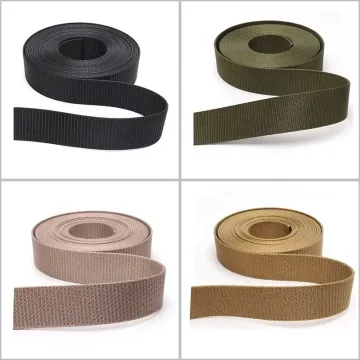
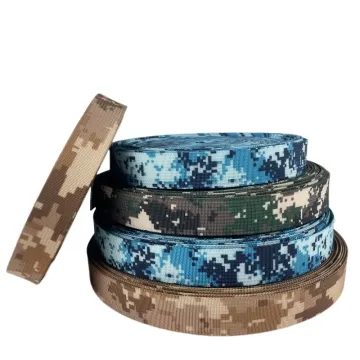
These products are starting references for the base construction. The requested finish and its test criteria need a separate feasibility review.
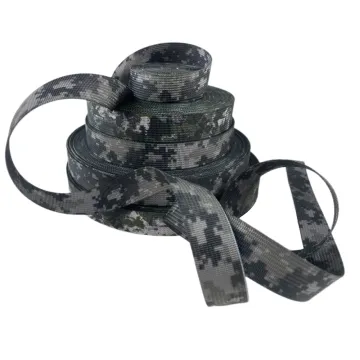
More product photos
Tell us what you are making
You can enquire before every detail is settled. Tell us the intended use and what you need help choosing; add dimensions or quantities if you know them.
What happens after your enquiry
We review the intended use and open specification questions first. Sample options, costs, minimum quantities and timing can then be discussed against that brief. Sending an enquiry does not place an order.
Request a relevant sample →