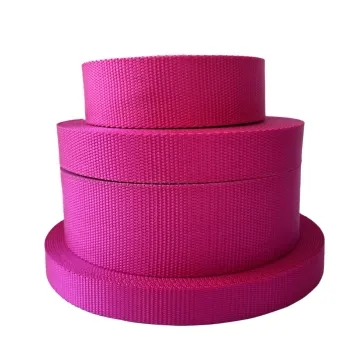
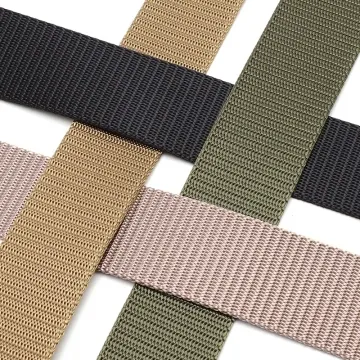
How webbing weave density changes surface and stability
Weave density affects what a buyer can see and what an assembly line can handle. It changes surface coverage, pattern definition, hand and edge stability, while fibre, yarn size and weave type remain equally important.
Content updated
In this guide
Key choices for your project
Specify the result before the density number. A dense strap can give a compact printing face and firm hand, but may add thickness at a folded seam. A more open construction may bend easily yet show gaps or distort artwork. Compare samples made in the intended fibre and width, then approve measurable construction evidence with the visible reference.
- Inspect coverage over both light and dark backgrounds.
- Compare relaxed width, thickness, weight and bend on identified samples.
- Sew and fold the tape where the finished product will concentrate layers.
The denser trial improves print coverage but makes the fold too bulky
Imagine two polyester tapes of equal finished width. The open trial bends easily but shows streaks beneath a small printed logo; the denser trial gives a cleaner face but becomes stiff and thick when folded as binding. Asking only for “higher density” moves the problem.
Define surface coverage, motif detail, hand, edge stability and folded assembly. Compare samples with fibre, yarn size, weave and width recorded, then decorate and sew them at finished scale. Approve references together with measurable construction controls instead of a density number alone.
Choose weave density from the finished surface and assembly, while controlling yarn and weave variables that can create the same visual change.
Separate yarn scale from weave density
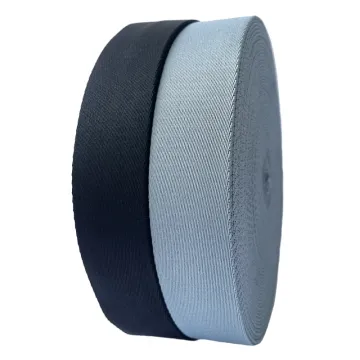
A surface can look coarse because the yarn is large, because yarns are spaced apart or because the weave exposes long floats. Ask the supplier which factor changed between samples. Close photographs from the face, back and edge help the buyer approve the intended appearance without turning one visual impression into an inaccurate density instruction.
Judge density in the intended decoration
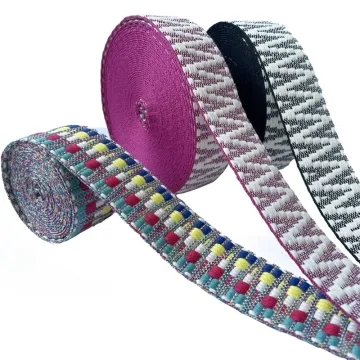
Printing benefits from a sufficiently even face, while jacquard needs enough structural room to render colour and shape. Excess density is not automatically better: it can restrict flexibility or obscure a relief effect. Review the actual artwork at finished width and include the sewing safe area, not just an enlarged digital preview.
Watch for drift in bulk production
Retain a labelled sample and record the agreed width, thickness, weight per metre and any controlled yarn or pick information. During inspection, look for open streaks, changed ribs, edge waviness and differences in hand. If a metric shifts, confirm whether yarn, loom setting or finishing changed before deciding disposition.
Record a weave-density selection
Link construction measurements to visible and assembly outcomes.
Swipe to see all columns ↔
| Field | Record | Confirm |
|---|---|---|
| Finished outcome | Coverage, motif definition, hand, flexibility and edge behaviour | Rank on finished product |
| Yarn and weave | Fibre, yarn specification, weave type, face/back and relevant floats | Supplier identifies controlled construction |
| Density method | Warp and pick measure, counting length, location, tension and conditioning | Repeat agreed count method |
| Surface reference | Face, back, edge close-ups, open streaks and relief | Keep labeled physical sample |
| Decoration and sewing | Artwork scale, printing on the intended base or woven-jacquard route, safe area, fold and seam | Build finished-width trial |
| Bulk controls | Width, thickness, weight per metre, density field and review trigger | Compare sampled rolls with master |
Higher density is not universally better. Numerical ranges and controlled yarn information should come from approved production-representative samples and an agreed method.
Download specification worksheet ↓Select density through finished evidence
Define the required outputs
State coverage, pattern detail, hand, bending and edge behaviour in the actual product. Identify which outcomes are critical and which allow trade-offs.
Prepare controlled construction samples
Record fibre, yarn size, weave, width and finish for each candidate. Ask which variable changed instead of assuming appearance proves density.
Decorate and assemble at scale
Make a finished-width printed or jacquard trial using the intended production route; then fold and sew the real safe area. Compare both faces and edges.
Set production comparison points
Retain the approved sample and measurement method. Sample rolls for agreed construction fields and investigate linked yarn, loom or finishing changes before disposition.
Three misleading density instructions
Write “as dense as possible”
Extra density can increase stiffness and folded bulk or hide relief. Define the finished effect and approve the best trade-off.
Estimate density from one photograph
Large yarns, spacing and long floats can look similarly coarse. Use physical samples and identify which construction variable actually differs.
Compare counts without a method
Counting direction, length, tension, location and conditioning alter results. Record one repeatable method before establishing a production range.
Questions before you choose
Does higher weave density always make webbing stronger?
No. Density can change yarn content and structure, but finished strength also depends on fibre, yarn quality, weave, edges, width and finish. Verify strength separately on the actual approved construction.
How can I compare density without owning a textile lab?
Use matched samples and record close photographs, width, thickness, weight per metre, bend and light transmission. These observations support sample approval; technical counts or performance limits should still come from an agreed method.
Products to start with
Open a product to see its listed specification. Custom colours, dimensions and order terms are confirmed for your project.
More product photos
Tell us what you are making
You can enquire before every detail is settled. Tell us the intended use and what you need help choosing; add dimensions or quantities if you know them.
What happens after your enquiry
We review the intended use and open specification questions first. Sample options, costs, minimum quantities and timing can then be discussed against that brief. Sending an enquiry does not place an order.
Request a relevant sample →