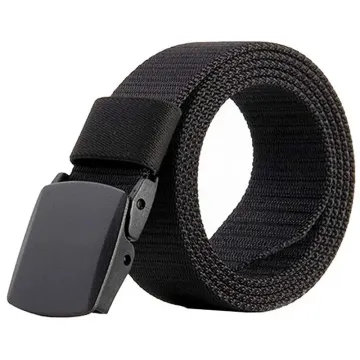
Webbing for compression sacks
Compression straps work across several attachment points. Compare adjustment travel and seam distortion with the sack fully packed, then check how loose tails are stored.
Content updated
In this guide
Key choices for your project
Check the strap at both the loose and fully compressed sack sizes. The adjuster should remain reachable without burying the pull tab in fabric. Compare several straps tightened together, since uneven lengths can pull the end panel out of alignment.
- Adjustment at both sack sizes
- Accessible pull tab
- Equal lengths around the sack
Do the straps stay clear of the sack closure and drawcord?
Overlay the compression routes with the top closure, drawcord exit and any carrying handle. Tighten the fully packed sack in the intended sequence and note where straps trap fabric, cover the cord lock or pull across an opening. Relocate anchors before using extra strap length to work around interference.
- Clearance from closure, drawcord and handle
- Fabric trapped beneath each tightened strap
Four correct straps can pull a compression sack out of shape
Imagine a sleeping-bag sack with four compression straps cut to the same drawing. Once packed, one anchor sits farther from the end panel and one buckle is partly buried by gathered fabric. Pulling each strap to its shortest setting tilts the panel, concentrates wrinkles beside one seam and leaves a long loose tail where the user expects a grip tab.
Define the loose and compressed pack shapes with the intended sleeping bag and packing method. Measure every strap from named attachment points, then tighten them in a repeatable sequence while recording buckle access, remaining travel, panel alignment, seam distortion and tail storage. Inspect anchors, folds and hardware at both volume limits and after repeated adjustment before issuing cut lengths.
Set compression-strap lengths from a complete packed sack, balancing all anchors, usable adjustment, buckle access, seam response and loose-tail control.
Products to start with
Open a product to see its listed specification. Custom colours, dimensions and order terms are confirmed for your project.
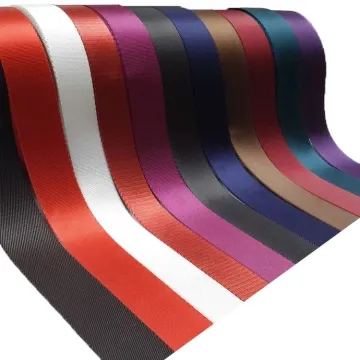
More product photos
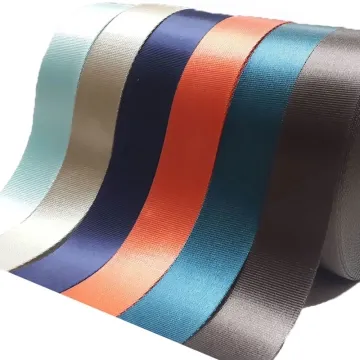
Can the user tighten the straps in a repeatable sequence?
Identify each strap position with a simple agreed code and record a tightening order for the prototype. Measure panel alignment after each step and after the packed contents settle. This reveals whether one strap consistently overtightens a corner or whether the sack design needs a different anchor layout.
- Panel alignment after each tightening step
- Strap code visible at the working end
Write a complete compression-sack strap schedule
The schedule connects each cut part to its anchor, buckle route and behaviour at both pack-volume limits.
Swipe to see all columns ↔
| Field | What to record | How to confirm |
|---|---|---|
| Pack definition | Sleeping-bag sample, packing method, loose and compressed shapes, fill distribution and sample code | Prepare marked reference packs |
| Strap position | Named anchor pair, panel location, route, width and orientation for every strap | Mark full sack drawing |
| Length geometry | Cut length, sewn capture, buckle take-up, usable range, pull tab and loose-tail allowance | Measure completed routes |
| Attachment build | Shell, reinforcement, fold, seam, stitch, layers and distance from panel features | Open a production-equivalent anchor |
| Hardware access | Buckle model, threading, reach, release space, tail keeper and contact with gathered fabric | Operate fully packed samples |
| Balanced response | Tightening sequence, remaining travel, panel alignment, wrinkles, seam distortion and retained observations | Cycle all straps together |
The buyer must define attachment strength, durability and finished-product acceptance for the intended sleeping bag and compression level.
Download specification worksheet ↓Balance all straps on the packed product
Create both pack limits
Pack the specified sleeping bag by the intended method and mark loose and compressed shapes without substituting a generic fill.
Map every strap route
Name each anchor pair and record sewn capture, buckle take-up, pull-tab reach and tail storage before calculating cut length.
Tighten in a fixed sequence
Adjust all straps in the same order while observing remaining travel, buckle access, panel tilt, wrinkles and local seam distortion.
Cycle and release the schedule
Repeat compression and opening, inspect anchors and hardware, then issue position-specific lengths linked to the approved packed sample.
Compression-strap decisions that ignore the complete sack
Copying one length around the bag
Equal cut lengths do not correct unequal anchor geometry. Measure every completed route from named attachment points.
Checking only maximum compression
At the loose limit, the buckle may lose control or leave an unmanageable tail. Operate both volume extremes.
Pulling straps one at a time
Independent checks miss panel tilt caused by combined tension. Tighten all straps in a defined sequence on the filled sack.
Questions before you choose
What webbing works for sleeping-bag compression straps?
Choose a tape that feeds through the selected buckle, holds after tightening and folds without excessive bulk on the stuff sack. Test the complete sack at its fullest and smallest compressed states. The strap system should be evaluated separately from claims about the sleeping bag itself.
Why do compression straps loosen after a sleeping bag is packed?
The bag may settle, the webbing may slip in the buckle, or the sewn anchor may move. Mark strap position before a packing cycle to identify the cause. Recheck buckle angle, surface grip, folded layers and anchor stitching on the loaded sack.
Tell us what you are making
You can enquire before every detail is settled. Tell us the intended use and what you need help choosing; add dimensions or quantities if you know them.
What happens after your enquiry
We review the intended use and open specification questions first. Sample options, costs, minimum quantities and timing can then be discussed against that brief. Sending an enquiry does not place an order.
Request a relevant sample →