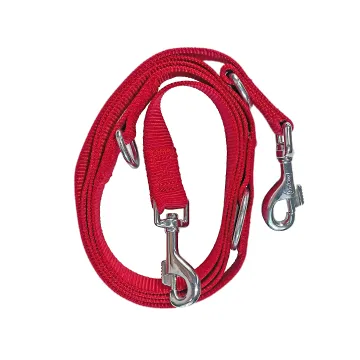
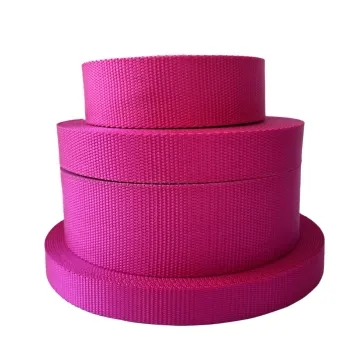
Matching collar and leash sets
A matching set uses different lengths and folds. Place the same motif on collar and leash drawings to align colour, repeat and visible logo positions.
Content updated
In this guide
Key choices for your project
Approve the collar and leash side by side, even if they share a colour code. Different widths, yarn density or print scale can make the set look mismatched. Keep one paired master sample and identify both components on the order.
- Colour viewed as a pair
- Pattern scale across widths
- Shared approval sample for the set
Will the packaged hardware scuff the matching decoration?
Pack the collar and leash exactly as the set will be shipped, with tags and metal parts in their planned positions. Simulate handling, then inspect printed or woven faces for scratches, pressure shine and transferred plating residue. Add separators or change the fold map before approving presentation packaging.
- Hardware contact points inside the set package
- Surface marks after the handling simulation
One artwork file can produce two visibly different set components
Imagine a collar and leash ordered with the same colour code and motif. The collar uses narrower webbing and several folds, while the leash shows a long uninterrupted face. Scaling the artwork automatically can change line weight and repeat rhythm; the packaged metal hook can also scuff the matching collar face.
Prepare separate component drawings but approve the physical pair side by side. Record one colour master, width-specific artwork scale, hardware finish, fold map and packaged contact points. Retain the paired master with linked component identities so a later single-piece replacement can be compared with the original set.
Approve colour, motif and presentation as a pair while keeping each component separately traceable.
Products to start with
Open a product to see its listed specification. Custom colours, dimensions and order terms are confirmed for your project.
More product photos
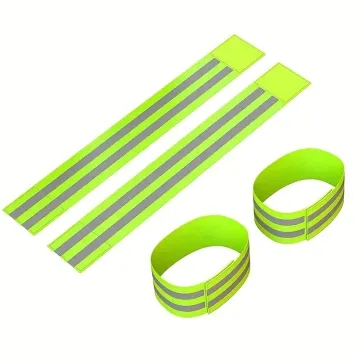
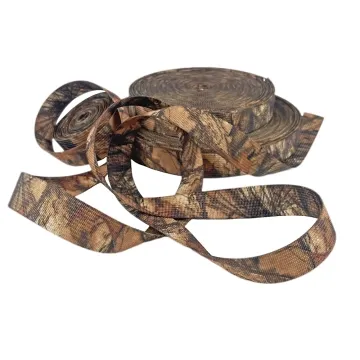
Can one replacement piece still match the original set?
Assign linked but separate component codes to collar and leash, recording colour reference, artwork revision, width and production lot for each. A later replacement should be compared with the retained paired master, not only a digital colour value. State whether acceptable variation is judged as a pair or component by component.
- Linked component codes and retained pair reference
- Replacement comparison rule for colour and motif
Link the set without merging its component records
A paired record preserves the shared visual reference and the differences needed to make, pack and replace each item.
Swipe to see all columns ↔
| Field | What to record | How to confirm |
|---|---|---|
| Component identities | Linked collar and leash codes, revisions and intended set code | Check labels against the paired approval sample |
| Colour master | Physical reference, viewing conditions and pair-level comparison rule | Place both finished components beside the retained master |
| Artwork by width | Scale, repeat, safe area, reading direction and fold interruptions | Approve separate drawings and finished lengths side by side |
| Hardware finish | Buckle, rings, hook and plating or coating references | Compare actual hardware together under agreed viewing conditions |
| Pack layout | Fold sequence, tags, separators and metal-to-decoration contacts | Pack a complete set and run the agreed handling simulation |
| Replacement record | Production lots, retained pair and rule for later single items | Compare replacement beside both master components |
A digital colour value supports communication but does not replace a retained physical paired master across materials, widths and lots.
Download specification worksheet ↓Approve the pair from artwork to replacement
Split the component drawings
Map collar and leash widths, visible lengths, folds, seams and hardware separately. Apply one design intent without blindly scaling every artwork element.
Build and compare the pair
Make both components with production-intent tape and hardware, then assess colour, motif rhythm, logo exposure and metal finish together under agreed conditions.
Pack and handle the set
Fold, tag and position hardware exactly as shipped, run the defined handling sequence, then inspect decoration for scratches, pressure shine or transferred residue.
Retain linked approval evidence
Label the paired master, component revisions and production lots, photograph the pack map and define how a later single replacement will be compared.
Set decisions that create visible mismatch
Scaling artwork blindly between widths
Automatic scaling can make logos, lines or repeat spacing feel unrelated. Redraw each width around the same visual intent and approve together.
Approving collar and leash separately
Two individually acceptable samples may still look unlike a set. Place finished components side by side before colour, artwork and hardware approval.
Using a screen colour for replacements
A digital value cannot reproduce material, finish or lot appearance. Compare the replacement with the retained physical pair under the same conditions.
Questions before you choose
How can a collar and leash match when they use different webbing widths?
Use one brand colour and artwork system, then redraw the repeat for each finished width instead of scaling blindly. Align motif size, spacing and orientation visually. Review both completed products together because hardware, folds and visible lengths change the apparent match.
Should a matching collar and leash use exactly the same webbing construction?
Not necessarily. The collar must fit its buckle and neck contact, while the leash needs comfortable handling and different joints. Match colour and design while allowing task-specific construction. Approve the set together, but assess each finished item against its own product requirements.
Tell us what you are making
You can enquire before every detail is settled. Tell us the intended use and what you need help choosing; add dimensions or quantities if you know them.
What happens after your enquiry
We review the intended use and open specification questions first. Sample options, costs, minimum quantities and timing can then be discussed against that brief. Sending an enquiry does not place an order.
Request a relevant sample →