Abrasion resistant webbing selection
Identify the actual rubbing surface before asking for abrasion resistance. A strap sliding through metal needs a different sample assessment from one rubbing against clothing.
Content updated
In this guide
Key choices for your project
Name the surface the tape rubs against: fabric, metal and a rough edge create different wear. Record whether the concern is appearance, yarn breakage or retained strength. Test the intended contact zone, since a broad-face abrasion result may not describe edge damage.
- Actual rubbing surface
- Face wear versus edge wear
- Acceptance criterion after abrasion
A polished face and a cut edge are different wear problems
Imagine an equipment strap that passes through a stamped metal guide before lying against a coated panel. Returned products show shine on the broad face, broken yarns on one edge and trapped grit beside the guide. Calling all three marks “abrasion” would hide different contact and motion.
First map where each mark begins and what touches that zone. Correct a burr or diagonal route before comparing tapes. Then reproduce the relevant sliding, flexing or grit contact with dimensionally comparable constructions and inspect the strap, seam and mating part together.
Define the contact pair, motion and unacceptable damage before asking for an abrasion-resistant construction.
Map wear to a precise strap zone
Mark the first wear point on a used product and reproduce that contact in the sample assembly. Edge sawing at a buckle, broad-face rubbing and grit trapped under a keeper need different comparisons. Photograph the zone before testing so surface change and yarn damage are judged at the intended location.
- Mapped contact zone and motion
- Damage type at the marked location
Compare construction changes before changing fibre
Trial a smoother edge, altered weave, protective sleeve or hardware alignment where the wear occurs. These changes may move or reduce contact without relying on a fibre-name claim. Compare candidates at equal dimensions and record whether wear transfers to the seam, coating or adjoining component.
- Equal-dimension construction samples
- Wear transferred to another component
Describe the wear mechanism in the RFQ
The specification should turn a durability request into an observable contact condition.
Swipe to see all columns ↔
| Field | What to record | How to confirm |
|---|---|---|
| Contact counterpart | Fabric, coating, metal, plastic or rough cut edge | Photograph and identify the actual mating surface |
| Wear zone | Face, edge, fold, seam exit or hardware return | Mark the location on a finished-product drawing |
| Relative motion | Sliding distance, flexing direction, frequency and whether load is present | Reproduce the motion on an assembled sample |
| Contamination | Grit, dust, moisture or cleaning residue expected in use | Condition specimens with the agreed relevant exposure |
| Damage endpoint | Appearance change, yarn breakage, thinning or functional loss | Define inspection points and buyer acceptance wording |
| Candidate identity | Fibre, weave, edge, finish and dimensions | Label retained swatches and record any construction change |
The method and acceptance limit are project-specific; a fibre name does not establish service life.
Download specification worksheet ↓Move from a worn product to a relevant comparison
Read the wear map
Inspect a used or simulated assembly and mark the first contact, direction of polish, edge cutting and contamination. Separate primary damage from later rubbing.
Remove geometry faults
Check burrs, bar alignment, seam exits and diagonal routing. Correcting the counterpart may be more useful than asking a new tape to absorb the same fault.
Compare controlled candidates
Hold width, thickness and assembly geometry constant while changing one construction feature. Apply the agreed motion at the marked zone and retain an untouched control.
Inspect the whole interface
Record face, edge and yarn condition together with seam, coating and hardware changes. Keep images and labelled specimens with the final selection record.
Shortcuts that produce misleading abrasion decisions
Buying an undefined abrasion grade
A generic grade does not reveal counterpart, motion or failure criterion. Convert the request into a contact pair and project-specific inspection before comparing offers.
Testing only a clean flat face
A broad-face rub may miss edge sawing, grit entrapment and buckle contact. Place the specimen in the actual orientation and include relevant contamination.
Judging only visible shine
Polishing can be cosmetic while hidden yarn cutting is structural, or vice versa. Inspect high points, edges, reverse, seam and mating component separately.
Questions before you choose
What does abrasion-resistant webbing actually protect against?
The phrase is incomplete without the contact surface, motion and acceptance limit. Face rubbing, edge sawing and grit produce different damage. Describe where the strap wears, then compare constructions with a relevant method and inspect yarn breakage, thinning and hardware interaction.
Will a stronger fibre automatically make the strap last longer?
Not necessarily. Strap life can be limited by weave, exposed edges, coating, stitching, buckle geometry or contamination. Evaluate the proposed tape in the complete load path and compare the worn area with the adjoining seam and hardware before choosing a fibre.
Products to start with
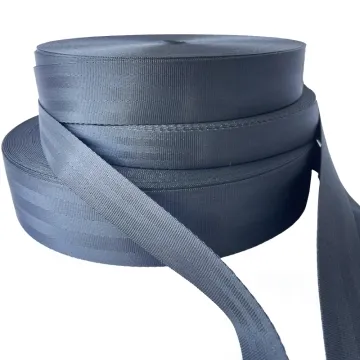
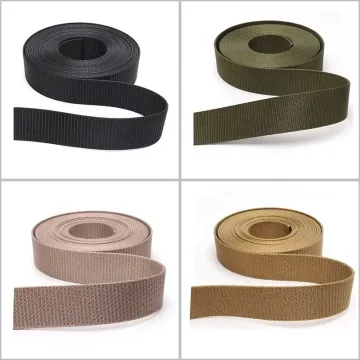
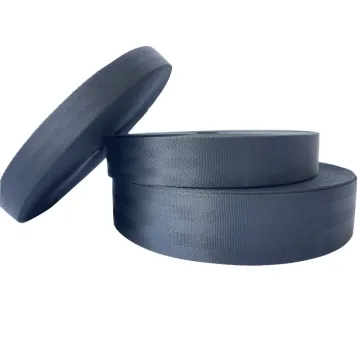
These products are starting references for the base construction. The requested finish and its test criteria need a separate feasibility review.
More product photos
Tell us what you are making
You can enquire before every detail is settled. Tell us the intended use and what you need help choosing; add dimensions or quantities if you know them.
What happens after your enquiry
We review the intended use and open specification questions first. Sample options, costs, minimum quantities and timing can then be discussed against that brief. Sending an enquiry does not place an order.
Request a relevant sample →