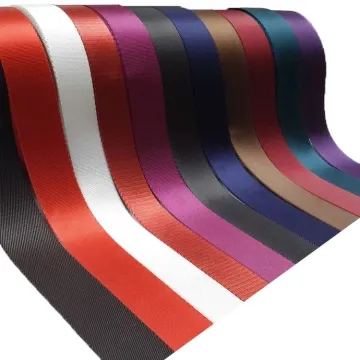
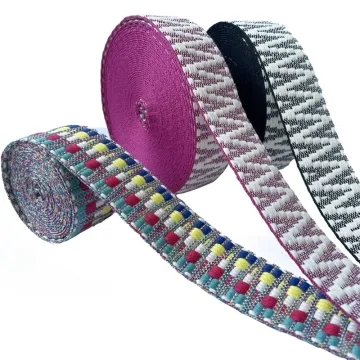
Recycled polyester webbing sourcing
Tie a recycled-material request to an exact composition and order. Ask which records support the recycled content, and approve colour and construction separately.
Content updated
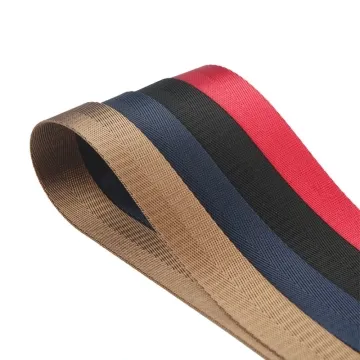
In this guide
Key choices for your project
The word recycled does not identify the fibre, percentage or evidence available for an order. Separate those three questions in the request. A sample proves the appearance and construction; supporting records are needed for any recycled-content statement you intend to put on the finished product.
- Exact fibre and recycled percentage
- Records tied to the supplied lot
- Approved wording for product claims
Matching the recycled percentage does not guarantee the reordered tape will match the approved sample
Imagine a bag range approves a recycled-polyester webbing for a muted surface and soft bend. A reorder keeps the stated recycled percentage but changes yarn source and colour route. The new tape meets the headline material description yet appears shinier beside the shell and folds differently through the same adjuster.
Separate content evidence from physical approval. Record yarn source route, construction, finish, colour method and the exact sample code, then define which changes trigger resampling. Compare each candidate beside the product materials, through hardware and in a sewn return while its order documents are reviewed independently.
Control recycled-content evidence and product appearance as linked but separate approvals tied to the same order and sample.
Separate the component claim from the product claim
Write the intended customer-facing statement before ordering, then identify exactly which webbing component it describes. A record for recycled content in the tape does not automatically support a claim about the whole bag or strap. Keep the approved wording, supplier document and purchase lot linked in the product file.
- Claim limited to the identified component
- Order record linked to the supporting document
Define when a new source needs visual approval
Ask the supplier to flag changes in yarn source, colour route, weave or finish that can alter appearance or hand. Recycled content alone does not predict those results. Set a reapproval rule for the changes that matter to your product, and retain a physical standard for shade, surface and bend.
- Supplier change fields that trigger resampling
- Retained standard for colour and surface
Specify the recycled polyester as both material claim and usable tape
The record links declared content to a physical construction without letting either approval substitute for the other.
Swipe to see all columns ↔
| Field | What to record | How to confirm |
|---|---|---|
| Material statement | Polyester component, recycled percentage, calculation basis and any virgin content | Review order-specific composition document |
| Evidence route | Issuer, holder, product scope, validity and transaction linkage | Match documents to supplier and purchase order |
| Tape construction | Yarn form, weave, width, thickness, mass, edge and finish | Measure conditioned approved sample |
| Appearance standard | Colour reference, sheen, surface, face and bend observation | Compare beside shell under agreed light |
| Assembly response | Hardware model, fold, seam, needle, thread and adjustment path | Build a production-style strap section |
| Reapproval triggers | Yarn source, colour route, site, weave, finish or evidence change | Record supplier notification and new sample action |
The project defines claim wording and acceptance; recycled content alone predicts neither appearance nor finished-product performance.
Download specification worksheet ↓Qualify documents and physical tape in parallel
Write the intended claim
State the component, recycled percentage basis, product and market so evidence can be requested for one precise statement.
Establish the physical benchmark
Approve colour, sheen, hand, dimensions and construction on a coded sample viewed with actual product materials and hardware.
Verify the order route
Map supplier, yarn, weaving, finishing and transaction records to the purchase order without treating the physical sample as documentary proof.
Control meaningful changes
Require notification for source, site, colour, weave, finish or evidence changes and route each through the appropriate renewed approval.
Recycled-polyester shortcuts that break repeatability
Using the word recycled as a specification
It omits component, percentage basis, construction and evidence. Record the exact material statement and measurable tape fields separately.
Treating a certificate as colour approval
Documents can support scope without predicting shade, sheen or hand. Keep a coded physical standard and compare actual production candidates.
Ignoring source changes when the percentage stays
A different yarn or colour route can alter appearance and processing. Define resampling triggers beyond the headline recycled figure.
Questions before you choose
What evidence should I request for recycled polyester webbing?
Ask for the exact fibre composition and recycled percentage, plus supporting records tied to the material or lot being supplied. Agree the claim wording your brand intends to use before ordering. A recycled product name or sample photograph does not by itself substantiate a percentage or certification.
Will recycled polyester webbing perform exactly like virgin polyester?
Not automatically. Recycled content is one part of the specification; yarn grade, weave, colour and finishing still shape the result. Match the candidate to the intended width and construction, then verify buckle movement, sewing, colour and required performance using the same methods as the approved reference.
Products to start with
Open a product to see its listed specification. Custom colours, dimensions and order terms are confirmed for your project.
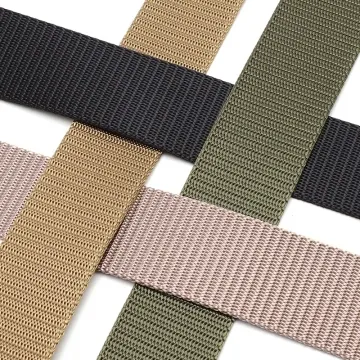
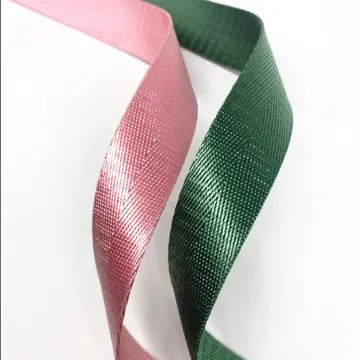
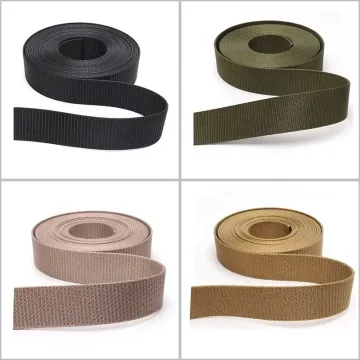
More product photos
Tell us what you are making
You can enquire before every detail is settled. Tell us the intended use and what you need help choosing; add dimensions or quantities if you know them.
What happens after your enquiry
We review the intended use and open specification questions first. Sample options, costs, minimum quantities and timing can then be discussed against that brief. Sending an enquiry does not place an order.
Request a relevant sample →