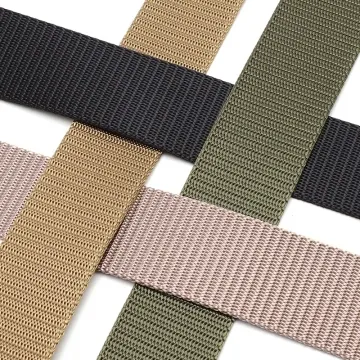
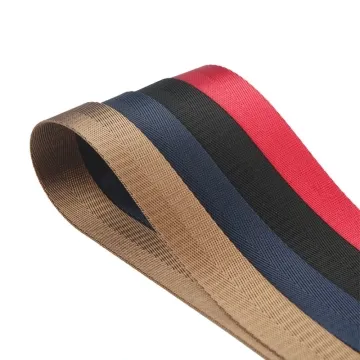
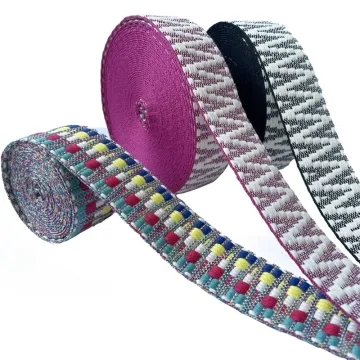
Imitation nylon webbing: what to check
“Imitation nylon” describes an appearance, not a fibre declaration. Request the actual composition, then check whether the finish suits your strap and branding process.
Content updated
In this guide
Key choices for your project
Imitation nylon describes a market appearance or feel, not a reliable fibre declaration. Order against the stated composition and approved sample. If replacing an existing nylon strap, compare care, printing and adjustment again instead of assuming the substitute is equivalent.
- Declared fibre composition
- Side-by-side handle comparison
- Compatibility with the existing process
A nylon-like sample arrives with a different fibre declaration
Imagine a buyer asking for imitation nylon webbing to replace an existing strap. Two offers have similar sheen and hand, yet their declared fibre compositions differ and one responds differently during printing and wet handling. The trade name did not define the material.
Keep “imitation nylon” as an appearance reference only. Obtain the actual fibre declaration, construction, finish and sample code for each offer. Compare them beside the target under agreed light, then run the intended cutting, sewing, branding, buckle and care sequence before reviewing product records and customer-facing material wording.
Approve the verified construction and physical sample; never use the nylon-like appearance or hand name as proof of nylon composition.
Turn the trade description into controlled fields
Keep “imitation nylon” only as a search or appearance reference. On the quotation and purchase specification, replace it with declared fibre, weave, width, thickness, finish, colour standard and an approved sample code. This makes competing offers comparable and prevents the market nickname from becoming the only acceptance criterion.
- Declared fibre shown on the purchase specification
- Approved construction and sample code on the quote
Align the material wording used downstream
Review the fibre name that will appear in product records, packaging, care information and customer service replies. It should follow the verified composition rather than the visual resemblance to nylon. If the declared composition changes, pause existing artwork or product wording until the buyer has checked whether it remains accurate for that order.
- Customer-facing fibre wording matches the declaration
- Composition change linked to a wording review
Replace the nickname with controlled facts
The purchasing record should separate desired appearance from verified fibre, construction, processing and downstream wording.
Swipe to see all columns ↔
| Field | What to record | How to confirm |
|---|---|---|
| Appearance target | Reference sample, sheen, surface, hand, colour and viewing condition | Compare offers side by side |
| Material declaration | Actual fibre composition and source document or supplier declaration | Record the declared wording verbatim |
| Construction | Weave, width, thickness, finish, face, direction, lot and sample code | Retain the approved marked sample |
| Process route | Cutting, end finish, sewing, printing, transfer, coating, buckle and care steps | Run the intended component sequence |
| Comparison outputs | Grip, drape, recovery, surface change, colour transfer and cut-end response | Compare with the existing strap |
| Downstream wording | Product record, packaging, care and customer-service material description | Check against the verified declaration |
“Imitation nylon” can describe a nylon-like look or feel, but it does not identify fibre composition or guarantee nylon performance.
Download specification worksheet ↓Verify the name before testing the substitute
Define the visual target
Identify the reference sample and describe sheen, surface, hand and colour without assigning an unverified fibre name.
Collect material facts
Obtain the actual composition, construction, finish, lot and sample code for every candidate before comparing offers.
Process representative components
Cut, finish, sew, brand, thread and care candidate tape through the intended product route.
Approve facts and wording
Select the physical standard, confirm the declaration and align purchase, packaging, care and service records to it.
Assumptions hidden by a nylon-like name
Reading the name as composition
A nylon-like look or hand does not prove nylon fibre. Purchase against the stated composition and coded sample.
Substituting from touch alone
Similar hand can mask different buckle, heat, wet or cut-end behaviour. Run the complete component process again.
Keeping old product wording
A changed declared fibre can make packaging or care records inaccurate. Review downstream wording before releasing the order.
Questions before you choose
What does “imitation nylon” webbing actually mean?
It is a trade description for a nylon-like look or hand, not a dependable fibre declaration. Ask the supplier to state the actual composition, weave and finish. Use those facts—not the name—to plan care labelling, colour process, sewing and end-use testing.
Can imitation nylon webbing replace nylon in an existing strap?
Only after a side-by-side component trial. Match width and thickness, then compare buckle grip, elongation and recovery, abrasion at contact points, wet handling, cut-end finish and sewing. A similar surface appearance does not show that the substitute will behave like nylon.
Products to start with
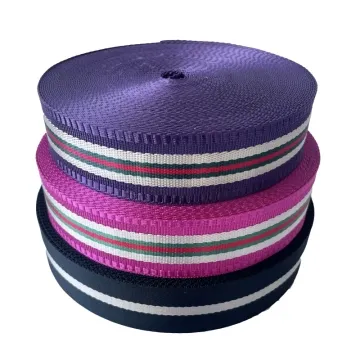
Open a product to see its listed specification. Custom colours, dimensions and order terms are confirmed for your project.
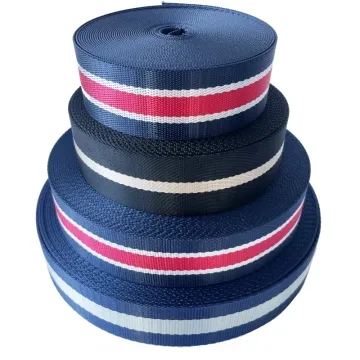
More product photos
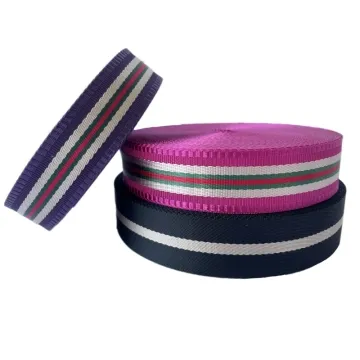
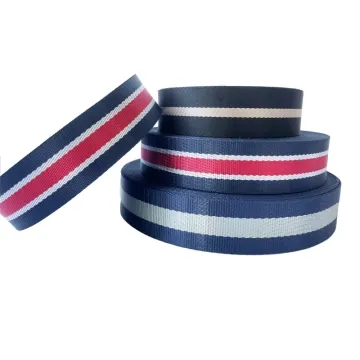
Tell us what you are making
You can enquire before every detail is settled. Tell us the intended use and what you need help choosing; add dimensions or quantities if you know them.
What happens after your enquiry
We review the intended use and open specification questions first. Sample options, costs, minimum quantities and timing can then be discussed against that brief. Sending an enquiry does not place an order.
Request a relevant sample →