High tenacity webbing procurement
High-tenacity yarn alone does not define a strap's load limit. Specify the finished width, weave, seams and test conditions when requesting a performance quotation.
Content updated
In this guide
Key choices for your project
High-tenacity yarn and a strong finished strap are different specifications. Ask for a result on the proposed width and construction, with the test method identified. A sewn connection, buckle or fold can become the limiting part of the product.
- Tested construction and width
- Failure location in the assembly
- Required elongation alongside strength
The strip survives while the assembled strap stops working
Imagine a high-tenacity webbing strip that reaches the buyer’s specified material result. In the assembled product, however, a buckle rotates, the sewn fold lengthens and the attachment moves beyond its functional position before the webbing breaks. The strip result did not represent the complete load path.
Draw where force enters, changes direction and leaves the product. Define the first unacceptable movement or damage, then build specimens with the proposed webbing lot, folds, stitch pattern, hardware and production clearances. Apply the agreed loading sequence and record extension, slippage, deformation and failure location at each decision point.
Procure high-tenacity webbing against a named construction and test method, then approve the complete assembly against a functional endpoint.
Define the movement limit before the break limit
State how far the product may stretch or shift before it stops functioning as intended. A strap can remain unbroken while an attachment moves out of position, hardware rotates or the load path changes. Set that functional endpoint first, then review extension and visible damage before the final breaking event.
- Maximum acceptable movement at the critical attachment
- First visible damage recorded before final failure
Trace the complete load path in the sample
Mark where force enters and leaves the product, including folds, seams, hardware bars and changes of direction. Build the specimen so those features appear in their production order. If a simplified strip test is also used, label it as material screening and do not let it replace the assembled-path result.
- Force entry and exit points shown on the drawing
- Production-order folds and joints included in the specimen
Separate material evidence from assembly acceptance
The record should show exactly what was tested, how force travelled and which endpoint controlled the decision.
Swipe to see all columns ↔
| Field | What to record | How to confirm |
|---|---|---|
| Webbing construction | Fibre, yarn class, weave, width, thickness, finish, lot and sample code | Retain the tested marked strip |
| Test reference | Agreed method, specimen preparation, conditioning, grips, loading direction and units | Attach the complete test record |
| Functional endpoint | Permitted movement, extension, slip, deformation or visible damage before loss of function | Mark the limit on the drawing |
| Assembly load path | Force entry and exit, folds, seams, hardware bars, holes and direction changes | Build the production-order specimen |
| Observed result | Load stage, movement, extension, first damage, final event and exact location | Record photos and measurements together |
| Change triggers | Webbing, stitch, thread, fold, hardware, clearance or process changes | Repeat the affected level of test |
A strip result is not a safe working load for a finished product. Product use, safety factors and acceptance remain buyer-defined.
Download specification worksheet ↓Move from screened strip to representative load path
Define loss of function
State the movement, slip, deformation or damage that makes the product unacceptable before discussing final break.
Screen the named webbing
Test the proposed construction and lot with documented preparation, direction, grips and conditions for comparable material evidence.
Build the complete path
Include production folds, stitch pattern, hardware and clearances so force follows the intended finished-product route.
Load and document
Apply the agreed sequence, recording extension, movement, first damage and failure location against the functional endpoint.
Errors that overstate strength evidence
Quoting yarn class alone
High-tenacity yarn does not identify weave, finish or assembly performance. Link every result to the exact tested construction.
Converting break force into working load
A laboratory breaking result does not establish product use. The buyer must define application-specific design and acceptance criteria.
Testing an idealised seam
Extra overlap or different hardware can move the weak point. Build the specimen from controlled production details.
Questions before you choose
Does “high-tenacity webbing” guarantee a stronger finished strap?
No. High-tenacity can describe the yarn or a material class, while finished performance also depends on weave, width, thickness, finishing, holes, folds and seams. Define the required property and test method, then evaluate both the webbing and the weakest point of the assembled strap.
What strength information should I request before buying high-tenacity webbing?
Request the test method, specimen width and construction, conditioning, grip arrangement, result units and failure location. Keep breaking force separate from an allowed working load. If the strap is sewn, ask for an assembly result rather than treating the strip value as the product rating.
Products to start with
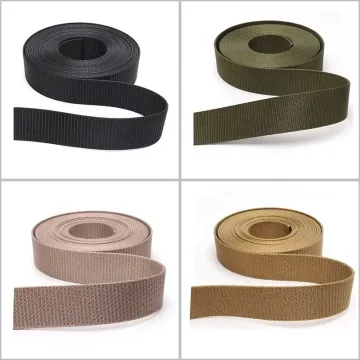
Open a product to see its listed specification. Custom colours, dimensions and order terms are confirmed for your project.
More product photos
Tell us what you are making
You can enquire before every detail is settled. Tell us the intended use and what you need help choosing; add dimensions or quantities if you know them.
What happens after your enquiry
We review the intended use and open specification questions first. Sample options, costs, minimum quantities and timing can then be discussed against that brief. Sending an enquiry does not place an order.
Request a relevant sample →